
At a glance
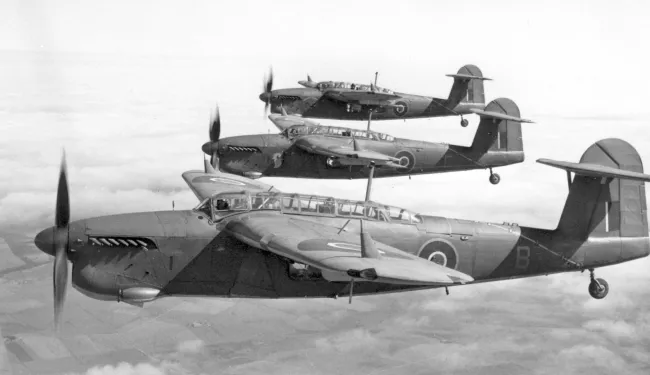
The Fleet Air Arm Museum at Yeovilton, part of the National Museum of the Royal Navy, is rebuilding a Fairey Barracuda, a Second World War torpedo bomber with no surviving examples. The parts come from wreckage recovered at several crash sites. The museum's restoration team uses a Vapormatt Puma manual wet blasting machine to remove decades of rust and corrosion from original parts. This returns them to their original condition without eroding the sound metal underneath.
- Customer: Fleet Air Arm Museum, Yeovilton, Somerset, UK (Barracuda Live: The Big Rebuild)
- Challenge: original parts corroded by decades on the seabed of the Solent and in a bog in Northern Ireland
- Process: wet blasting (also called vapor blasting), which is dust-free and cleans without a separate degreasing stage
- Machine: Vapormatt Puma manual wet blasting machine (link to /machines/manual-machines/puma-manual-wet-blasting-machine)
- Result: heavily corroded fittings and undercarriage brackets returned to their original condition, ready for the rebuild
Restoring corroded parts of your own?
There is not a single remaining example of a Fairey Barracuda anywhere in the world. These British carrier-borne aircraft saw action in the Atlantic, Mediterranean and Pacific and were involved in key engagements during the war including missions to destroy the German Battleship Tirpitz and supporting the allied invasion of Italy.
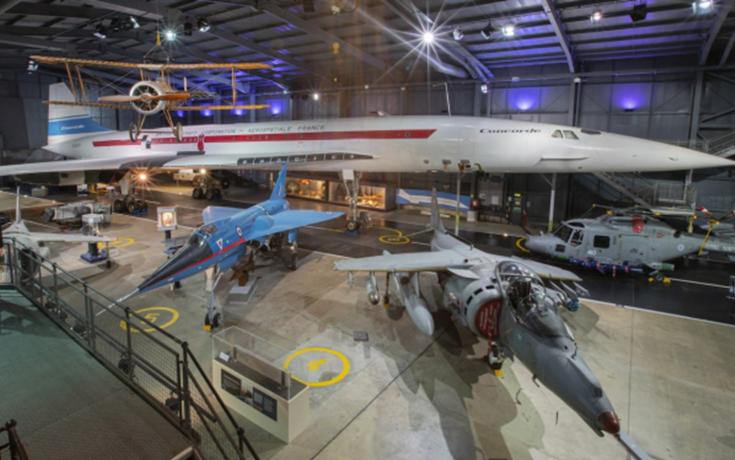
One of the main halls of the Fleet Air Museum with a Concord and Harrier Jump Jet amongst other aircraft on display
To ensure generations of visitors can see an example of the Barracuda the dedicated team at the Royal Navy Fleet Air Arm Museum have set about painstakingly recreating an example from nothing but the wreckage from several different crash sites.
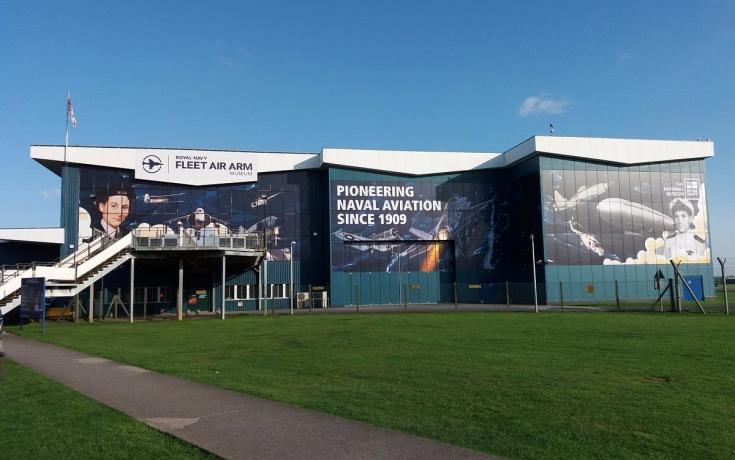
The Fleet Air Arm Museum in Yeovilton, Somerset, UK
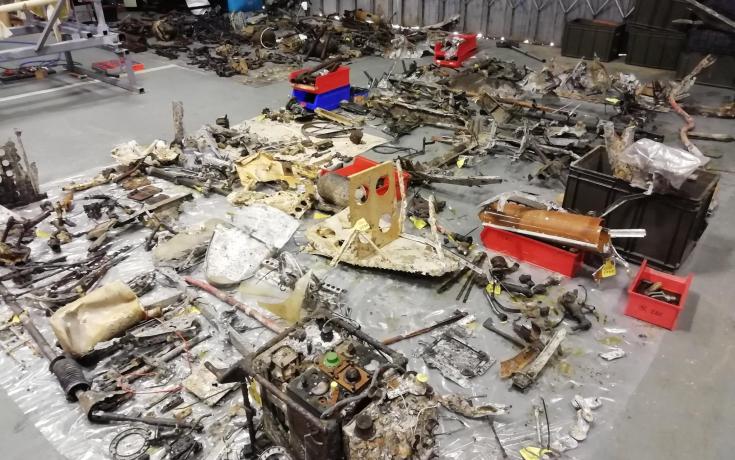
It is an incredibly challenging task, imagine the hardest jigsaw puzzle with half the pieces missing, the remaining half in a terrible condition and not fitting together properly, and you are part of the way there to understanding just how difficult this project is!
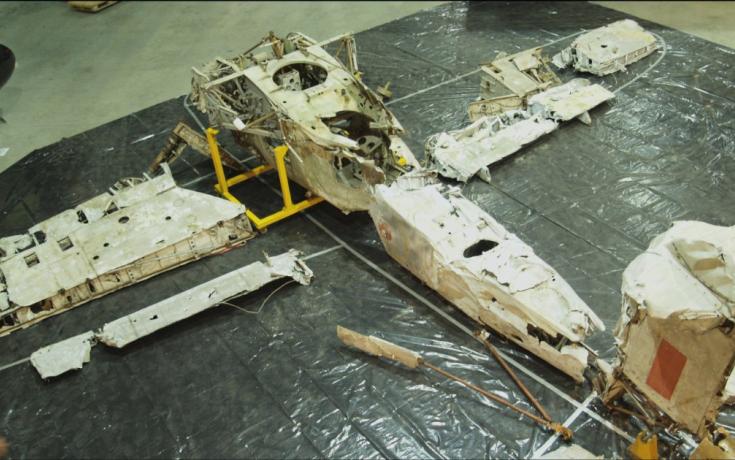
Fairey Barracuda parts recovered from several different crash sites
Rusted steel fitting from a Fairey Barracuda before and after wet blasting
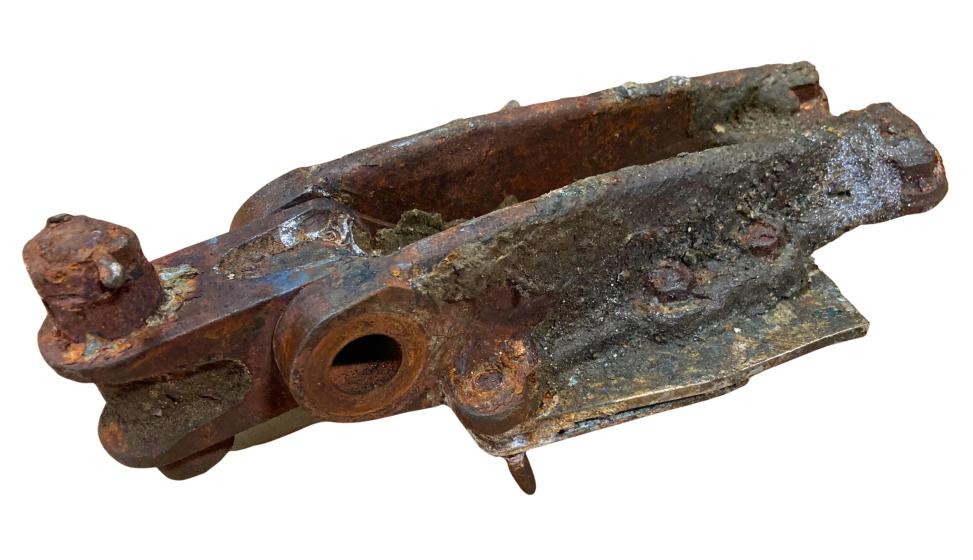
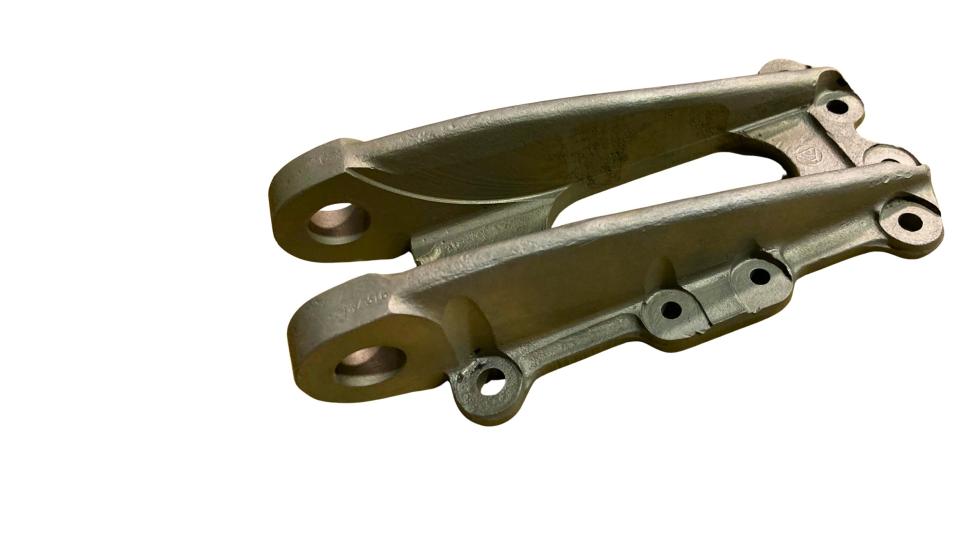
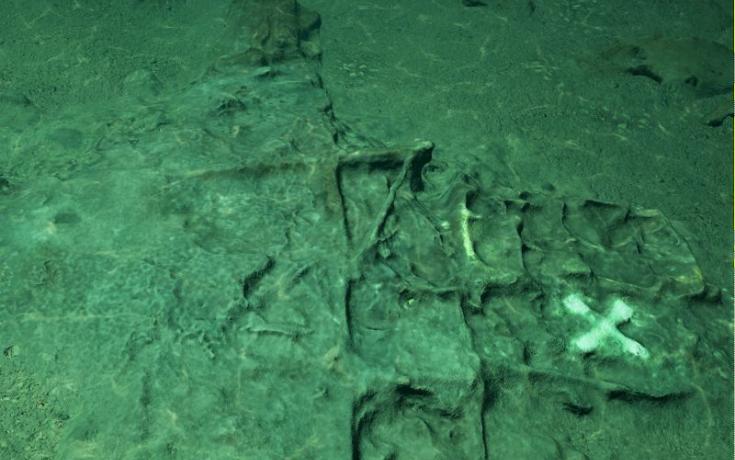
The steel fitting in the image above is from wreckage that has sat at the bottom of The Solent since the crash. The Barracuda plunged into the water just moments after taking off from HMS Daedelus for a test flight in 1943. The pilot was able to swim the 500m back to shore. As you can see, wet blasting has transformed the component to its original condition.
A crashed Fairey Barracuda at the bottom of The Solent
Main undercarriage torsion box bracket before and after wet blasting
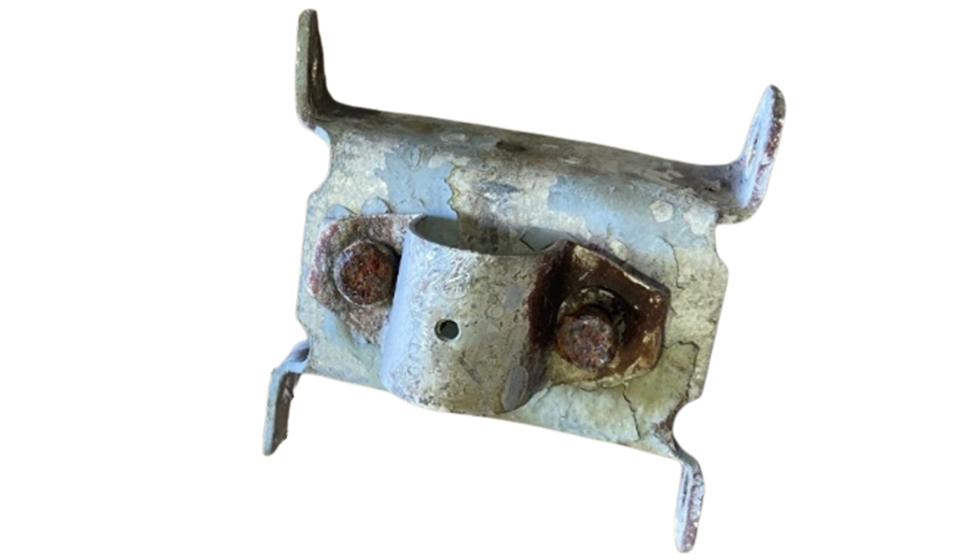
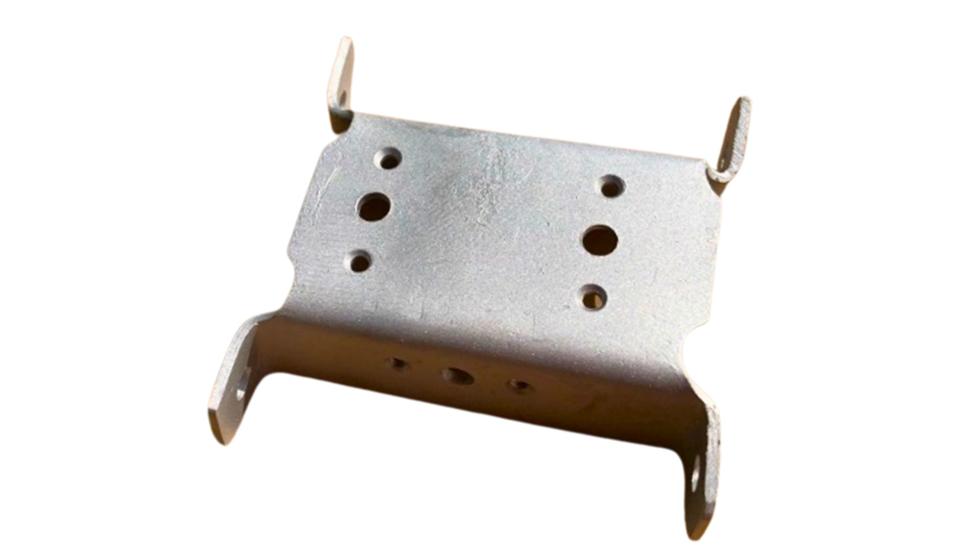
The bracket from a main undercarriage torsion box in the image above is from a different crash site, this time Northern Ireland. This Barracuda took off from Maydown for Easthaven and spun into a bog just five miles from the airfield. Sadly, the crew of three perished in the crash. In 1971 a combined team from RNAS Yeovilton and 63 HQ Sqdn RE recovered the aircraft. Again, wet blasting has returned the part to its original condition.
A Fairey Barracuda outline created from recovered wreckage
Rusted component from a Fairey Barracuda before and after wet blasting
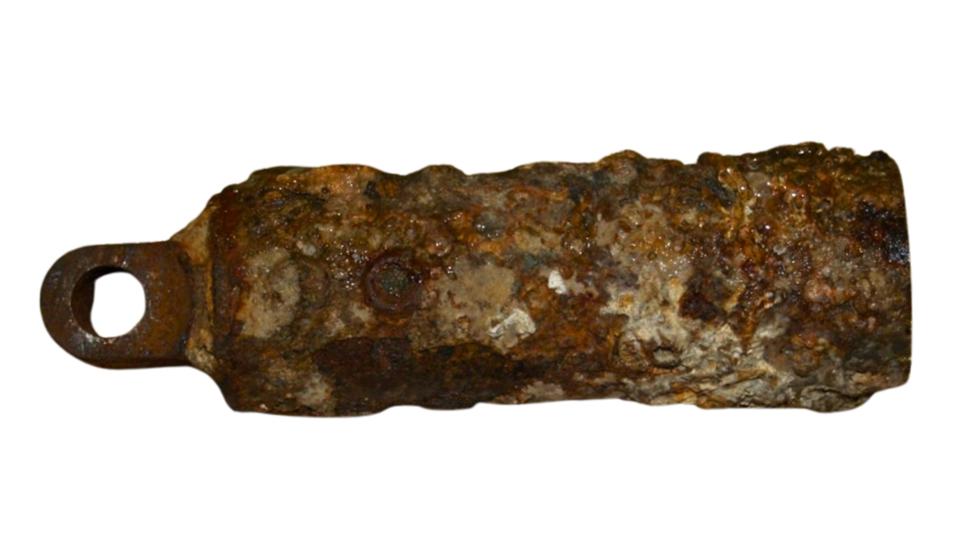
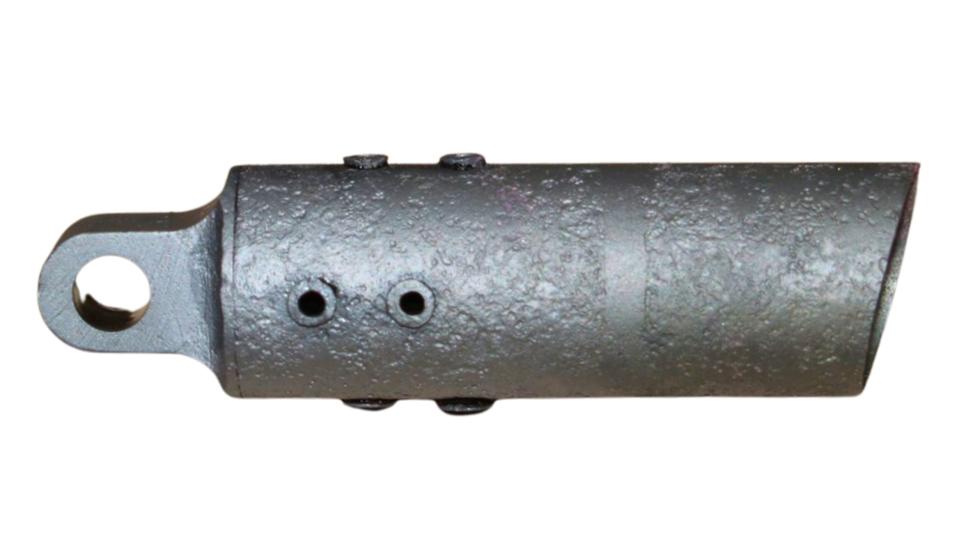
With help from their Vapormatt Puma wet blasting machine the team at the museum hope to have the recreated Barracuda on display in the not-too-distant future.
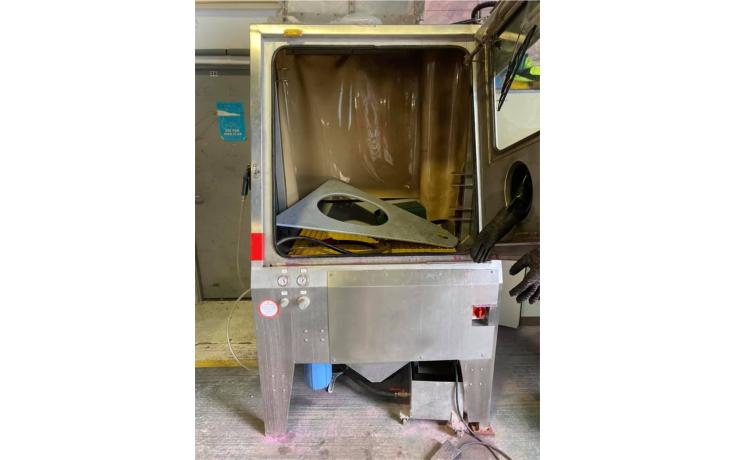
Their Vapormatt Puma manual wet blasting machine is helping with the daunting task of recreating a Barracuda to eventually go on display in the museum, and so far the results have been spectacular.
A large Fairey Barracuda component inside a Vapormatt Puma manual wet blasting machine
FAQs
Can wet blasting remove heavy rust from old steel parts?
Yes. The steel fitting on this page spent decades on the seabed of the Solent, and wet blasting returned it to its original condition. Heavy corrosion is usually removed with coarser aluminium oxide media at the higher end of the 2 to 5 bar pressure range. Delicate parts are run at lower pressure with finer media.
Will wet blasting damage original parts?
No. The water cushions the abrasive, so the process removes rust, paint and contamination while leaving the substrate surface largely unchanged. Fine detail and original dimensions are preserved, which is why it suits heritage and restoration work.
Is wet blasting the same as vapor blasting?
Yes. Wet blasting is also called vapour blasting, vapor blasting, aqua blasting and liquid honing. They all describe the same process: a slurry of water and abrasive media driven by compressed air. Read more about what wet blasting is.
Which Vapormatt machine is best for restoration work?
The Puma, as used by the Fleet Air Arm Museum, takes parts up to 762mm (30") in diameter in a 1.4 × 1.2m footprint. For large or heavy parts up to 250kg, the Puma XL has a 1.1m swing-out turntable. See all manual wet blasting machines.
How do I find out whether wet blasting is right for my parts?
Tell us about your parts, what they're made of and the finish you need. An applications engineer will recommend the right wet blasting process and machine.