Image


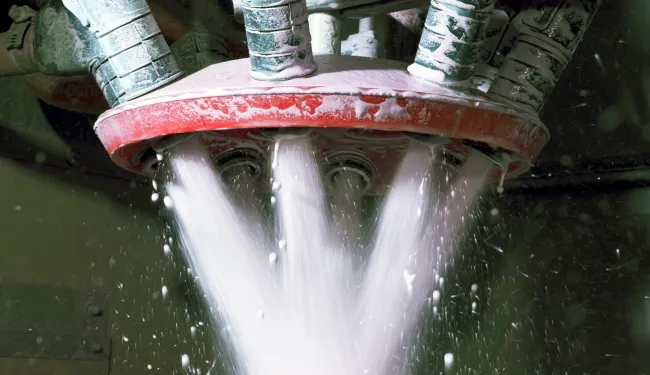


When a component arrives for inspection, repair, or reassembly carrying a combination of baked-on oil, carbon deposits, and surface corrosion, most cleaning processes handle one problem at a time. Wet blasting removes all of it in a single pass. The slurry carries contamination away continuously, the water cushions the abrasive so it cleans without peening over cracks (aerospace NDT), and the process leaves the substrate surface largely unchanged. That means a part that is genuinely ready to inspect, not just visually tidier.
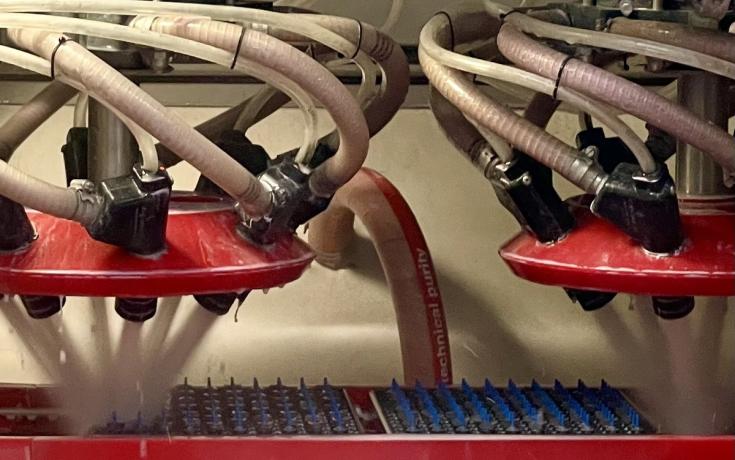
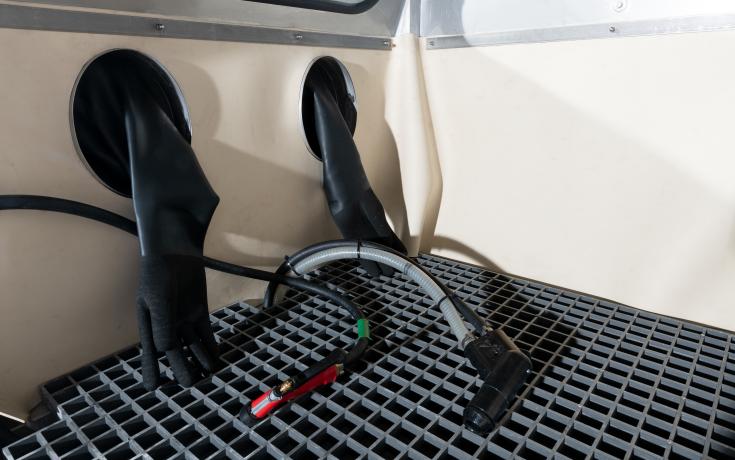
The slurry of water and abrasive flows continuously over the surface, lifting oils and loosening corrosion simultaneously. Because the abrasive is cushioned by water, the process is aggressive enough to shift heat-oxidised deposits from cast iron without raising the substrate surface roughness to a point that affects reassembly tolerances. Abrasive selection is the primary lever: finer, sharper media produces a cleaner surface with less substrate change, which is essential when parts need to pass dye penetrant inspection immediately after cleaning. Plastic media is softer and larger and is very effective at cleaning when the contamination is not excessive.
Typical setup: component cleaning by wet blasting
The parameters shown are indicative and confirmed for the component types listed. The process handles a wide range of contamination types and substrate materials across the component range below.
| Component type | Typical size or weight | Process mode | Achievable outcome | Minimum control |
|---|---|---|---|---|
| Cast iron turbocharger parts (turbine housings, bearing housings, diffusers) | Up to approx. Ø250mm x 100mm | Automatic | Good cleaning with minimal change to substrate surface finish; heat oxidation, rust, and oil removed | Basic manual machine |
| Extrusion dies and related tooling (e.g. spinnerets, filter components) | Ø45 to 60mm | Manual | Full removal of polymer residue and surface contaminants; uniform matte finish | Basic manual machine |
In Vapormatt sample processing trials, cast iron turbocharger bearing housings contaminated with heat oxidation, rust, and oil were processed automatically using stainless steel shot and a detergent-corrosion inhibitor solution. Surface roughness after processing measured 1.8 µm surface roughness against a pre-cleaning condition of up to 3.3 µm surface roughness, with substrate change remaining within tolerance for reassembly. The trial confirmed that good cleaning is achievable on heavily contaminated cast iron with minimal surface disruption.
Operators cleaning additive manufactured components for inspection will find additional context on our additive manufacturing wet blasting page. Teams maintaining aerospace or defence assets can find application-specific detail on our aerospace and firearms pages.
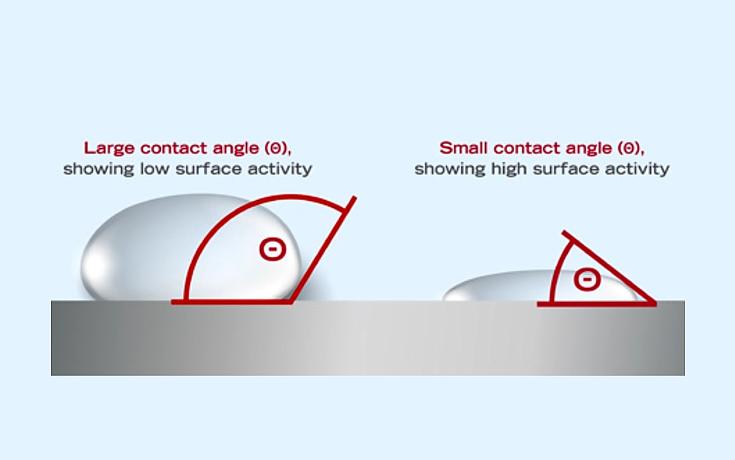
Wet blasting creates a highly reactive surface - a surface with a particularly high surface energy. This can be defined with a 'contact angle' as shown in the diagram opposite.
The contact angle is directly related to the difference between the surface activity of the solid, and the surface tension of the liquid. A high surface reactivity gives a low contact angle, helping paints and coatings to spread out easily across the surface instead of beading.
How is the measurement made? A Goniometer is used to measure the contact angle and determine how wettable the surface is.

“The machine works well and does a great job at cleaning dies.”

"We utilise wet blasting to clean aluminium or copper feedstock, it enhances the performance."
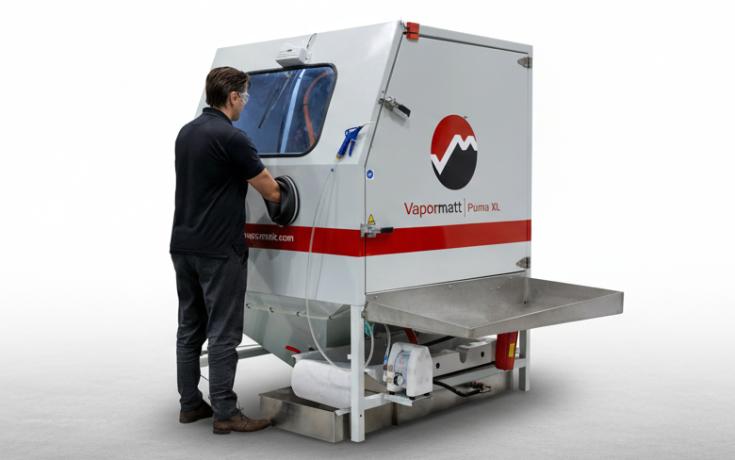
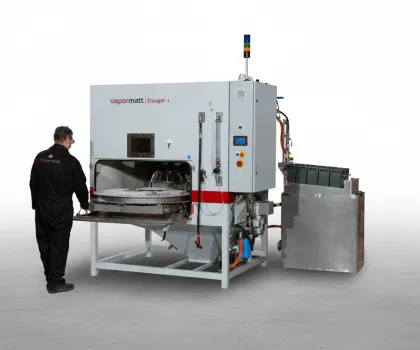
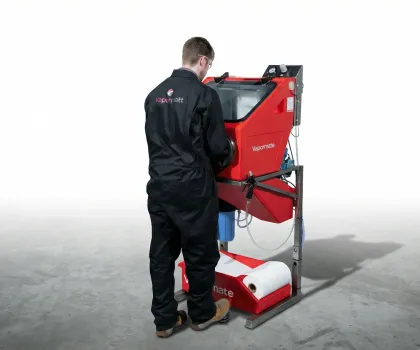
Vapormate or Puma: mixed component types, low throughput, basic process control. The entry point for workshop and MRO cleaning.
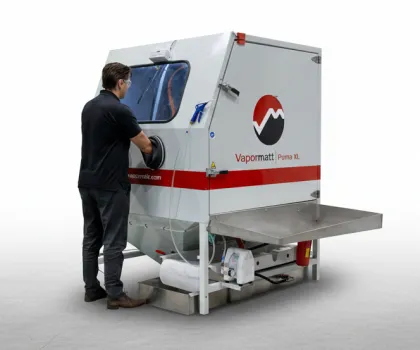
Puma XL: the same low-volume, low-control profile as the Puma range, suited to larger components that exceed the standard working envelope.
Profelis: continuous product form, high throughput, consistent surface preparation at production volumes.
Parts can go into the machine uncleaned. The detergent in the slurry softens oil while the abrasive removes corrosion simultaneously. Heavily contaminated internal surfaces such as volutes may need repositioning to ensure full coverage, but no separate degreasing stage is required.
Not with the right abrasive. For dye penetrant inspection, fine sharp aluminium oxide at 320 mesh is used specifically to avoid peening. The water cushioning in wet blasting also reduces impact energy compared with dry blasting. The result is a surface that is clean and open to penetrant, not closed off.
The abrasive type and pressure are adjusted to match the material. Cast iron can tolerate a more aggressive setup; aluminium typically runs at lower pressure with finer or plastic media. A basic manual machine gives you enough adjustment range to handle mixed batches without dedicated tooling.
Basic process control on an entry-level machine means setting and repeating the same pressure and abrasive for each component type. Where surface finish needs to be documented, a stylus roughness meter reading before and after processing confirms the outcome. In Vapormatt sample processing trials, cast iron bearing housings achieved 1.8 µm Ra consistently across multiple test runs.
Yes, when the abrasive and pressure are matched to the part. The water in wet blasting cushions abrasive impact, preserving threads, edges, and tight tolerances that dry blasting would erode. Parts with machined bores and spigots have been cleaned successfully without dimensional change.