Image


Continuous rotary extrusion (CRE), including Conform™ and Properzi Pro-Form® lines, uses a grooved rotating wheel to grip feedstock rod by friction and drive it through a die. Wet blasting (also known as vapor blasting) is the inline way to clean that rod first. It removes oxides, scale and residual lubricants from aluminium and copper feedstock immediately before the wheel, with no acid and no residue. Vapormatt has supplied it to more than 50 CRE installations worldwide.
CRE is unforgiving. There is no opportunity to compensate for surface contamination once the rod is in the groove. Oxide layers, surface scale and residual lubricants carried into the machine become entrained in the extruded product as porosity, blister defects, or conductivity loss. If your feedstock is not consistently clean, your output will not be consistently good.
Uniform surfaces keep feeding and friction predictable
Rinsing and dust control reduce contamination
Gentle cleaning preserves feedstock and die geometry
Controlled settings deliver standardised results
vs. Mechanical brushing: Wire brush and contact-based descaling systems remove loose scale but produce an inconsistent result. Brush wear is progressive and continuous, so the cleaning standard at the end of a production run differs from the start, often without a clear alert. Contact action leaves directional scratches on the rod surface and generates metallic fines and abrasive dust that require containment and disposal.
vs. Ultrasonic cleaning: Effective for lightly contaminated rod held in controlled storage, but insufficient for feedstock stored outdoors or with significant surface scale accumulation. Ultrasonic systems cannot deliver the surface activation that improves grip in the CRE wheel groove.
vs. Chemical pickling: Acid cleaning removes oxides but introduces its own residues. Inconsistent rinsing leaves chemical contamination on the rod surface. Pickling is typically an off-line operation, which means re-exposure to atmosphere and re-oxidation before the rod reaches the machine. Regulatory pressure on acid use and disposal is increasing across most operating territories.
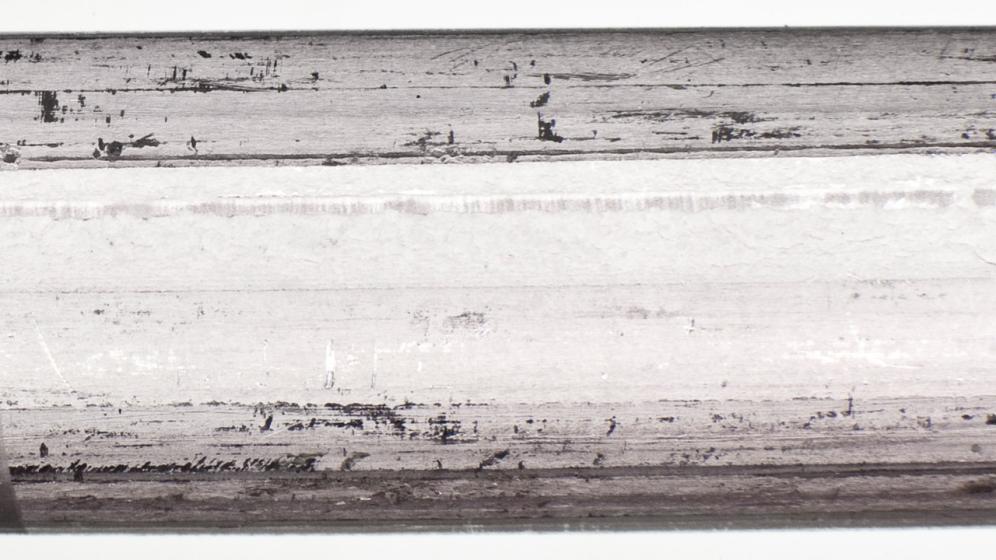
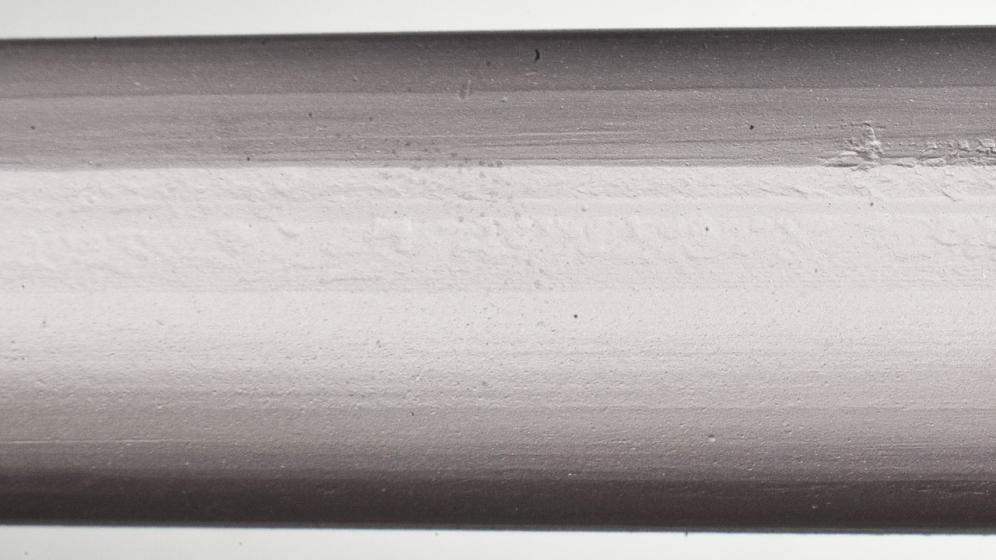
In wet blasting, a fine abrasive slurry, water-suspended and precisely controlled, removes oxides, scale and residual lubricants uniformly across the full 360-degree rod surface. Because the abrasive is cushioned by water, it cleans without embedding media, without introducing surface stress, and without altering rod dimensions.
Three outcomes matter most to CRE operators:
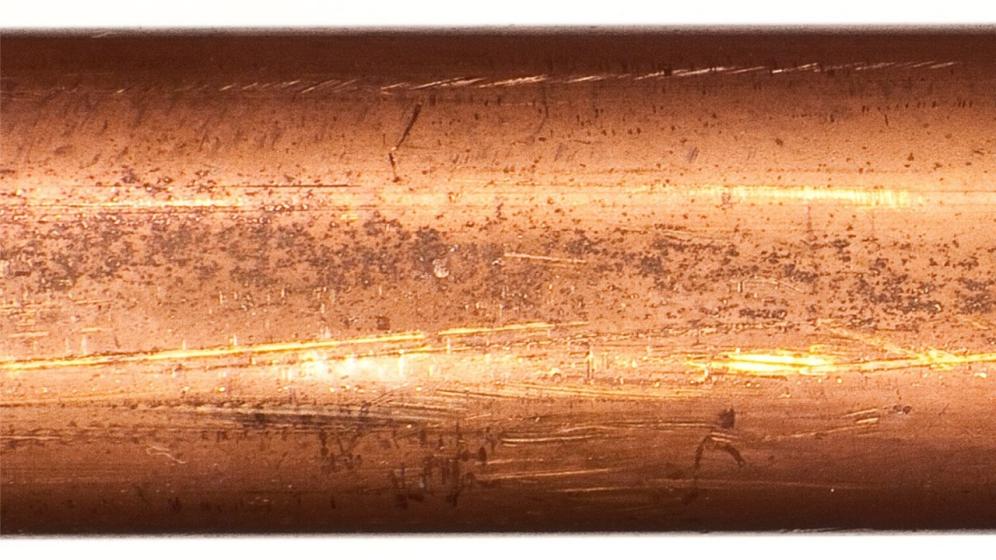
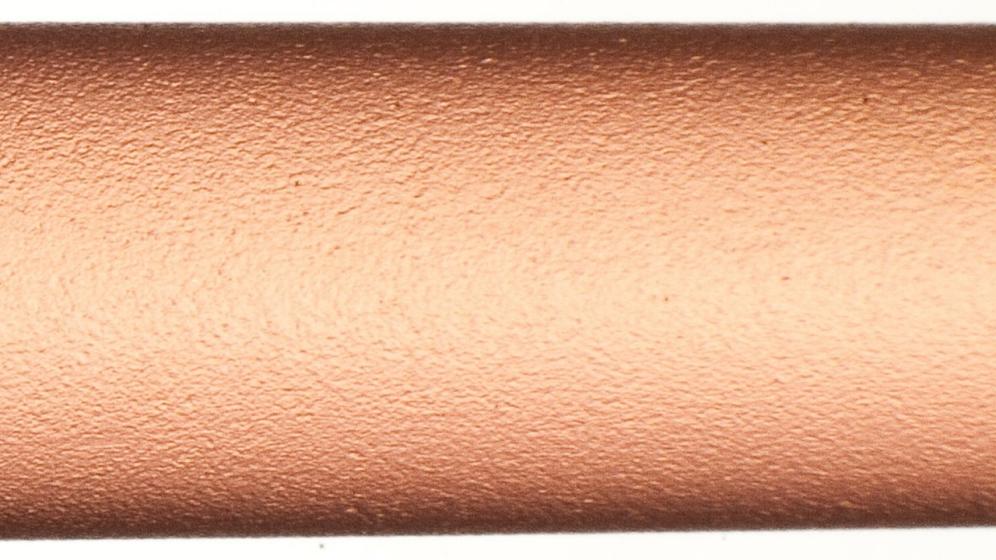
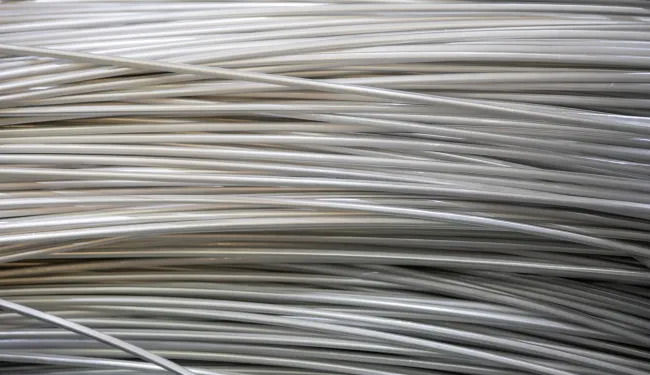
The process handles aluminium and copper feedstock rod across the principal CRE product categories:
Aluminium
Copper

We use wet blasting to clean aluminium and copper feedstock. It enhances performance.
Vapormatt has supplied inline wet blasting equipment to CRE operators across more than 50 installations globally. That depth of application experience is built into every machine we deliver: in the process parameters proven across different feedstock grades and line speeds, with the inline machine designed specifically for continuous production, and in the process control capability that maintains consistent cleaning performance throughout a full production shift without operator intervention.
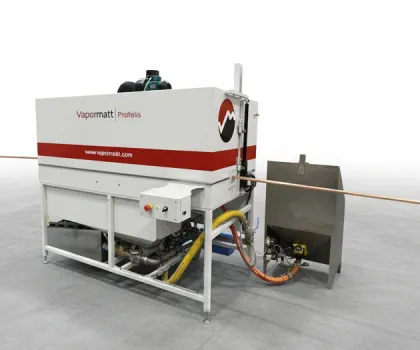
The Profelis wet blasting machine processes aluminium rod inline at production speed, with 360-degree uniform coverage, integrated rinse and dry, and a closed-loop slurry system. Dual-line configurations are available for higher-throughput operations, with multiple lines sharing a common slurry feed. At up to 120 m/min (394 ft/min), Profelis runs well above CRE line speeds, so cleaning never limits your output.
Learn more about the Profelis automatic wet blasting machine
CRE (Conform™) operators who depend on a narrow band of premium feedstock are carrying supply chain risk they do not need to carry. Wet blasting gives you the ability to source aluminium or copper rod from a wider pool of suppliers, including material that would previously have required rejection or expensive pre-treatment. That flexibility reduces exposure to single-supplier dependency and feedstock price volatility without any compromise to your extrusion output. The operators who run most consistently are the ones who have removed feedstock quality as a variable. Wet blasting is how you do that.
Inline wet blasting. It removes oxides, scale and residual lubricants from the full 360° rod surface in a single pass, immediately before the rod enters the CRE wheel. There is no acid, no chemical residue and no off-line handling step, so the rod has no chance to re-oxidise before extrusion. Vapormatt has supplied inline wet blasting to more than 50 CRE installations worldwide.
Most often, contaminated feedstock. Oxide layers, surface scale and residual drawing lubricants on the rod are carried into the wheel groove. There they become trapped in the extrusion as porosity, blisters, inclusions or weak bonds, and they can reduce conductivity. Cleaning the rod inline, immediately before it enters the wheel, removes the source of these defects.
CRE bonds metal in the solid state, using intense shear and frictional heat in the wheel, so it needs clean, oxide-free surfaces. The original UKAEA research behind the Conform™ process found that wet blasting produces exactly this: it removes oxides, smeared material and lubricant residue without damaging the rod or embedding media. Contamination left on the rod can cause weak interfaces, inclusions and voids. Wet blasting is used ahead of both Conform™ type lines and modern CRE lines such as Properzi Pro-Form®.
Yes. Wet blasting leaves a fine, uniform micro-texture on the rod that improves frictional engagement in the wheel groove. This keeps feeding predictable and supports stable line speeds of up to 30 m/min (100 ft/min), with fewer unplanned stoppages.
No. The Profelis inline wet blasting machine processes rod at up to 120 m/min (394 ft/min), well above the CRE line speeds it supports, so cleaning never limits extrusion output. For higher-throughput operations, dual-line configurations are available, with both lines sharing a common slurry feed.
Yes. Wet blasting cleans heavily oxidised rod to a consistently high standard. This means CRE operators can run lower-grade, lower-cost feedstock without compromising extrusion quality, and can buy from a wider pool of suppliers. That in turn reduces reliance on a single supplier and exposure to feedstock price swings.
No. The abrasive is suspended in water, which cushions its impact. Wet blasting removes surface contamination without embedding media, without inducing surface stress, and without measurable dimensional change to the rod.
Yes. Send us samples of your rod and our applications engineers can process them at our R&D facility in Bridgwater, UK, so you can assess the cleaned surface before you decide. Talk to a wet blasting expert to arrange a trial.