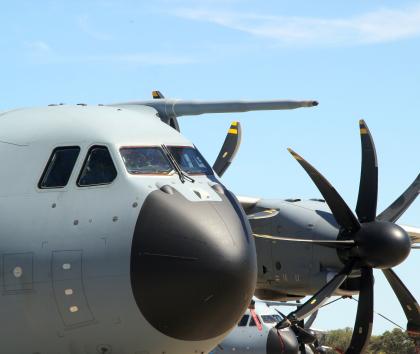
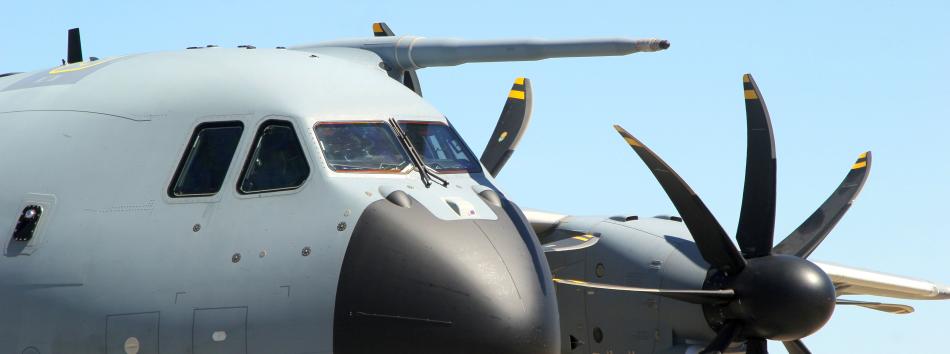
Every propeller and helicopter rotor blade that leaves your facility carries a certificate of airworthiness. The surface preparation beneath it is where risk is introduced or removed.
Wet blasting (or vapor blasting) projects a slurry of water and abrasive on to the blade. The water cushions the abrasive on impact, which is what sets it apart from sanding, chemicals and dry blasting.
For OEM production, it removes autoclave residues from composite blades without fibre damage, so adhesives and coatings bond completely.
For MRO it strips paint from aluminium and composite blades with no loss of substrate. The slurry opens surface cracks rather than peening them closed, giving dye penetrant inspection a clearer view of defects.
Three machines, matched to how you work:
Puma XL: a manual cabinet for MRO shops handling varied blade geometries, with an optional plastic media kit for paint stripping.
Cougar+: automatic processing with a working envelope up to 1,200mm diameter, for OEM volumes needing the same finish every cycle.
Leopard Cub: fully automated processing of tall blades clamped at the root, with oscillation or six-axis robot configurations.
We brought wet blasting to the world. Vapormatt 4.0 now records every parameter for every blade, ready for your next audit.