Wet blasting vs dry blasting: what matters for NDT preparation.
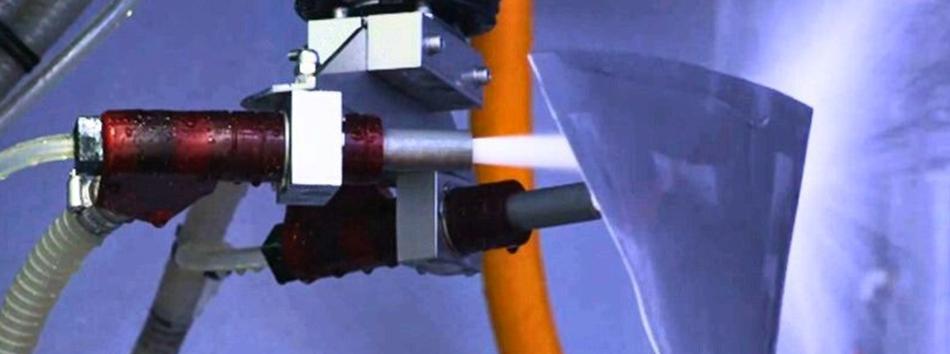
Surface preparation before non-destructive testing isn't just a formality. Get it wrong and you risk masking defects, or shortening the fatigue life of the component you're inspecting.
That's why more MRO teams are choosing wet blasting for aerospace components over dry methods.
Protecting fatigue life
Dry blasting can drive abrasive media into the substrate during jet engine component preparation. The resulting embedded media can obscure surface cracks, exactly what NDT is designed to detect. Wet blasting suspends abrasive media in water, reducing impact velocity while still removing contaminants effectively. The result is a clean surface that gives NDT an accurate picture, free from masked defects.
Faster, cleaner NDT preparation
Dry processes often leave residual dust that needs separate cleaning before inspection. Wet blasting removes this step, leaving surfaces clean and ready for inspection.
Cutting turnaround time
Combining preparation and cleaning into one process helps reduce aerospace MRO turnaround time without compromising precision.
We've spent decades engineering wet blasting technology for exactly this kind of application. If dry blasting is still part of your NDT prep process, it may be worth a second look.