Most coating failures on composite parts trace back to the surface underneath.
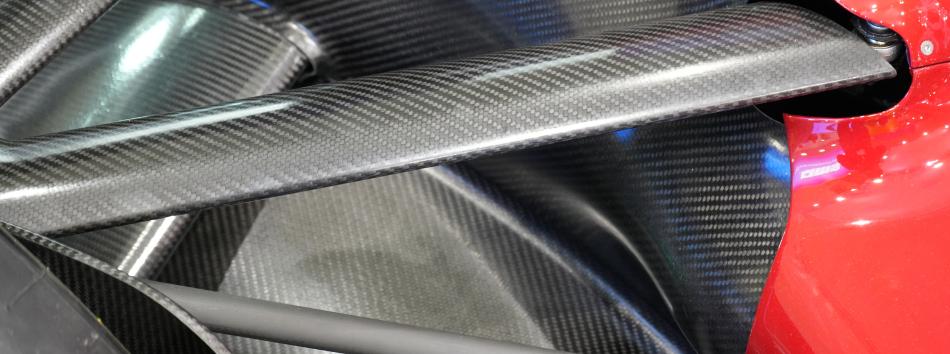
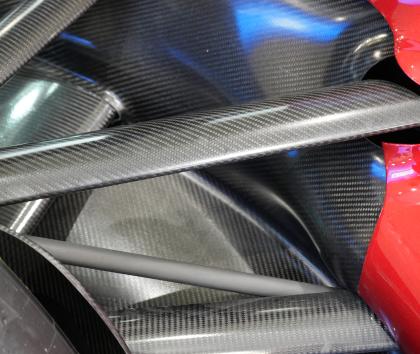
Carbon fibre leaves the autoclave with a resin-rich, hydrophobic skin and traces of release agent. Paint, lacquer and protective coatings bead on it rather than wetting out. Sanding and dry grit blasting remove it, but risk cutting fibres and leave static that draws dust back.
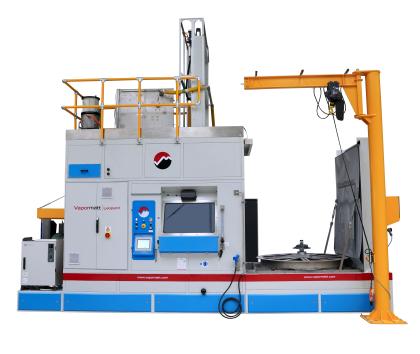
The Vapormatt Puma XL solves this with wet blasting, also known as vapor blasting. Fine abrasive suspended in water cleans, degreases and profiles the surface in one dust-free pass. The water protects the fibres and removes the static that causes recontamination.
In our testing, wet-blasted carbon fibre reaches a water contact angle of 43 to 48 degrees, against 76 to 88 degrees for peel ply, sanding and dry grit blasting. It holds at 43 to 54 degrees for 17 days, giving your team over two weeks to coat.
The Puma XL is built for larger composite parts:
- 1460 x 1490 x 1080mm internal working space
- 1100mm swing-out turntable rated to 250kg
- Adjustable blast pressure to protect fragile components
- S-Tank filtration that recirculates water to keep running costs low
We brought wet blasting to the world, and composite preparation remains one of our most established applications, from Formula One manufacturing to the National Composites Centre.