The advantages of wet blasting turbofan engine blades in preparation for bonding and coating
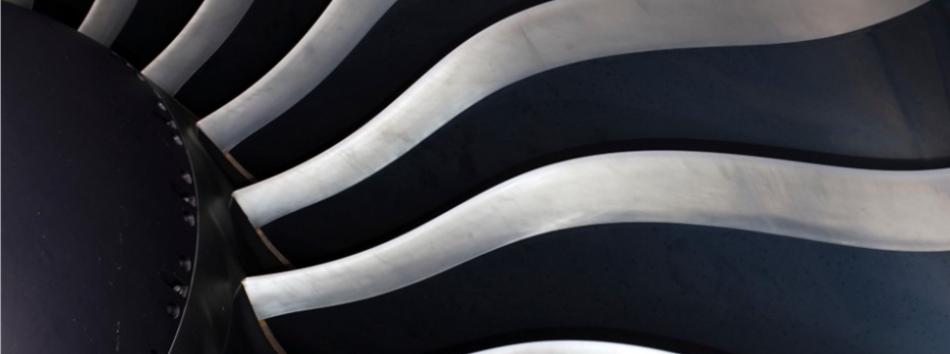
Preparing composite turbofan blades for bonding and coating by wet blasting offers several distinct advantages tailored to the specific demands and intricacies of turbofan blade materials and their operational environments…
• Elimination of oils, greases, particulates and debirs: Wet blasting removes oils, greases, particulates, debris and other contaminants that can impede the adhesion of bonding agents and coatings - even from complex geometries and hard-to-reach areas.
• Enhanced mechanical interlocking: Wet blasting creates a controlled surface texture that promotes mechanical interlocking between the composite material and bonding or coating agents, resulting in stronger adhesion.
• Improved bond strength: The thorough cleaning and optimal surface roughness achieved through wet blasting enhance the adhesion strength of both bonding agents and coatings, leading to more durable and reliable blade performance.
• Extended coating lifespan: Proper surface preparation ensures that coatings adhere uniformly and remain intact under the high-stress conditions experienced by turbofan blades, thereby extending their service life and reducing maintenance intervals.
• Uniform surface texture: Achieving consistent surface roughness across all blades is essential for uniform bonding and coating performance. Wet blasting provides this uniformity, ensuring all blades perform reliably under operational stresses.
• Reduced airborne dust: The incorporation of water in the blasting process significantly minimises the generation of airborne dust, creating a cleaner and safer working environment. This is particularly important in facilities where multiple components are being processed simultaneously.
• Lower contamination risk post-blasting: Reduced dust levels lower the chances of surface recontamination after blasting, ensuring that the blades remain clean and ready for subsequent bonding and coating steps.
• Gentle on composite materials: Wet blasting is less abrasive than dry blasting methods, minimising the risk of damaging the composite materials used in turbofan blades. This preservation of material integrity is vital for maintaining the blades' aerodynamic and structural properties.
• Thermal protection: The water in wet blasting absorbs and dissipates heat generated during the process, preventing thermal degradation or warping of heat-sensitive composite materials.
• Eco-friendly waste management: Water in the wet blasting process helps capture and contain abrasive particles, simplifying waste disposal and reducing environmental impact compared to dry blasting methods.