Two process steps you can delete from aerospace shot peening.
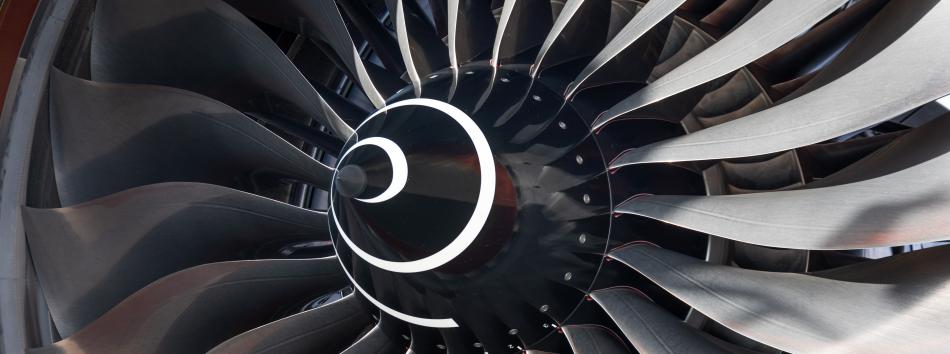
Most jet engine peening routes carry two operations that exist because of the equipment, not because of the component.
The pre-clean. Dry shot peening specifications require parts to arrive clean, so components carrying oil and grease from previous operations go through a separate degreasing step first. In wet peening that contamination is removed during the peening cycle itself and filtered out automatically. The step disappears from the route card.
The polish. Media flowing in a water slurry produces a smoother, more consistent finish than dry peening at equivalent intensity. Our systems achieve Almen intensities to 39N and 38A, which often eliminates downstream polishing operations on aerofoil surfaces.
Two operations removed means two fewer handling stages, two fewer queues between cells, and two fewer opportunities to damage a high-value component in transit. For an MRO running compressor blades at volume, that affects cost per part and turnaround time, not just surface quality.
The compliance position is unchanged. Our automatic machines comply with AMS 2432 (Shot Peening, Computer Monitored), with shot flow, air pressure, nozzle position and cycle time monitored in real time and automatic shutdown on deviation. Our installed base includes MRO operations processing components to Rolls-Royce, GE and Pratt and Whitney specifications.
Look at your peening route card. How many of those steps are there for the part, and how many are there for the machine?