Why wet blasting is a safer choice for alloy wheel cleaning and stripping...
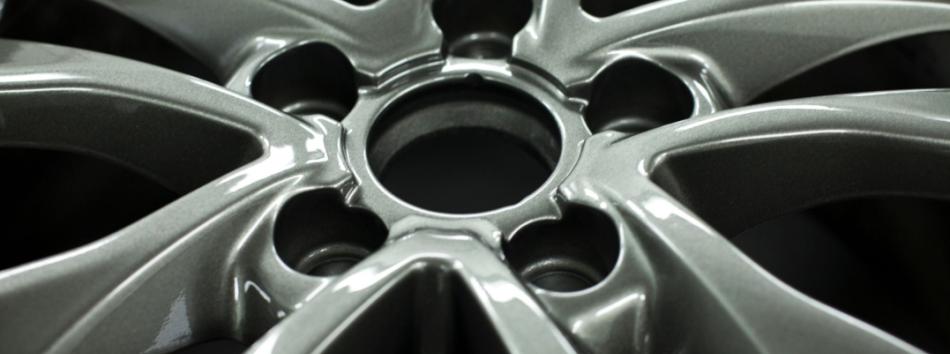
In the automotive refinishing industry, the cleaning and stripping of alloy wheels is a routine task — but not all surface preparation methods are created equally when it comes to operator safety.
Let’s compare wet blasting to traditional finishing processes like dry blasting, chemical stripping, and manual sanding, focusing solely on health and safety:
✅ Drastically reduced airborne dust: Wet blasting uses a water-abrasive slurry that traps harmful particles. This drastically reduces inhalable dust compared to dry blasting and sanding — both of which release fine particulates like metal and paint residues into the air.
✅ Lower respiratory risk: By controlling dust exposure, wet blasting reduces the risk of chronic respiratory conditions such as silicosis, COPD, and toxic metal inhalation — risks commonly associated with dry blasting and chemical fumes.
✅ Minimal heat generation: Water acts as a coolant, eliminating heat-related hazards common in dry blasting and mechanical abrasion processes, where friction can lead to burns or part warping.
✅ Reduced fire and explosion risk: No static build-up. No airborne flammable dust. No volatile chemicals. Wet blasting is inherently safer than dry blasting or chemical stripping when it comes to combustion hazards.
✅ Cleaner, safer work environment: Because wet blasting suppresses debris, the workspace remains cleaner—reducing slip, trip, and fall risks. Chemical stripping, by contrast, involves hazardous waste and spill risks.
✅ Lower noise exposure: Wet blasting typically runs quieter than dry methods, decreasing the risk of hearing damage and reducing PPE dependency.
✅ Less intensive PPE requirements: Operators can work more comfortably and safely with standard PPE. Dry blasting and chemical methods often demand full-face respirators, chemical suits, and more.
In summary, wet blasting isn’t just a superior surface prep method — it’s a smarter, safer choice for your team.