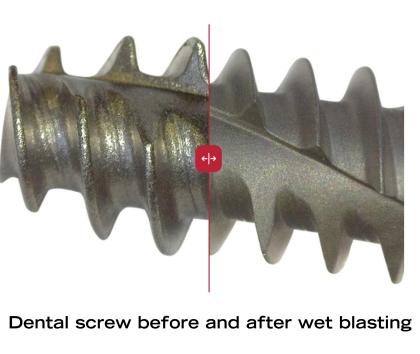
Why lightweight materials demand a smarter surface treatment approach…
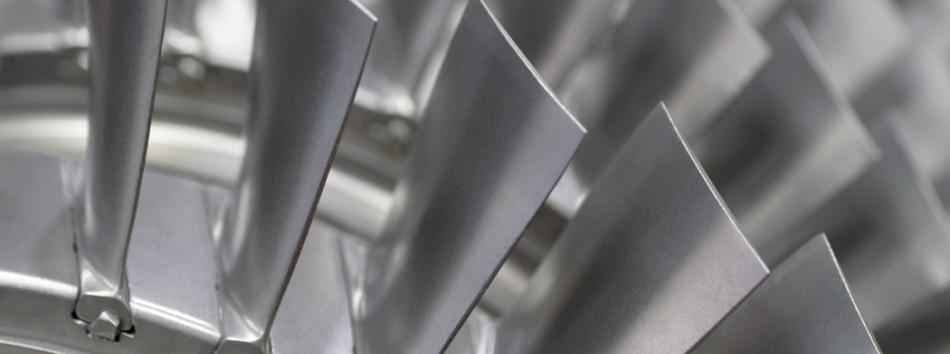
From titanium in aerospace to magnesium alloys in EV components, lightweight materials are transforming how OEMs design for performance and efficiency. But these advanced materials come with a unique set of challenges when it comes to surface preparation:
- Dry blasting can cause surface pitting, warping, or embedded abrasive particles, especially in thin-walled or soft metal components — compromising both structural integrity and coating performance
- Chemical treatments can be too aggressive for reactive alloys like magnesium, risking surface degradation
- Manual prep struggles with uniformity on thin-walled or complex parts, leading to inconsistent adhesion or coating performance
That’s why more manufacturers are turning to wet blasting.
At Vapormatt, we help OEMs working with lightweight materials achieve:
✅ Controlled, uniform surface textures that enhance coating adhesion without damaging thin or delicate parts
✅ Non-aggressive cleaning ideal for reactive alloys like magnesium and aluminium
✅ Repeatable surface preparation across complex geometries, ensuring reliability in high-performance applications
✅ Closed-loop, dust-free processing that protects both parts and operators
As the industry moves toward lighter, stronger materials, it's time to match innovation in design with innovation in finishing.
Learn more about the applications and advantages of wet blasting for aerospace