The surface of a dental implant plays a major part in how well it heals.
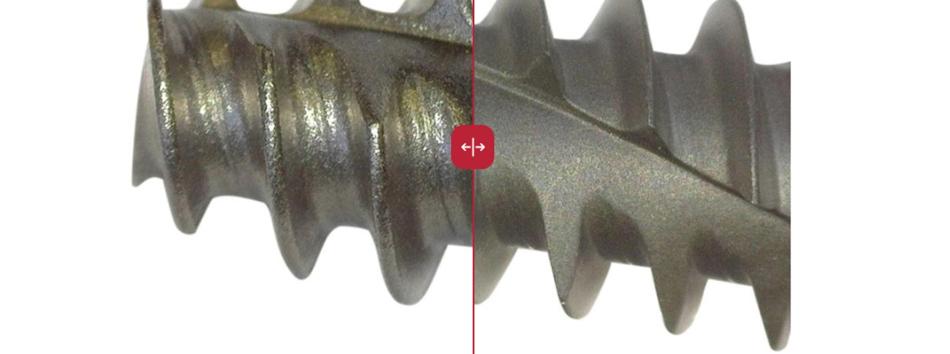
In the first weeks after placement, a surface that wets quickly with blood attracts proteins and cells sooner. Wet blasting has been shown to produce dental implant surfaces that are more hydrophilic than conventional SLA (sandblasted, large-grit, acid-etched) finishes, supporting earlier cell attachment.
It’s also clean. Water cushions each particle on impact, greatly reducing the risk of abrasive embedding in the titanium. Use biocompatible calcium-phosphate media and there’s no foreign residue to justify in a biocompatibility dossier. Set pressure, media and dwell time to hit the Ra your implant design specifies, batch after batch.
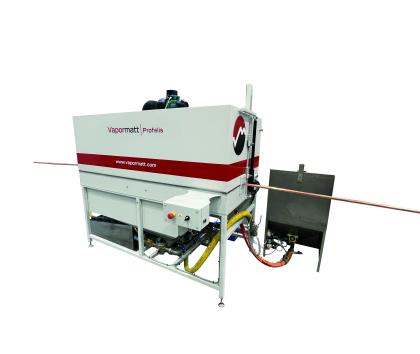
The Vapormatt Puma + brings that control into a medium-footprint, automated cell:
- Barrel configuration for small components, with bespoke holding fixtures available on the Radial and Vertical models
- Saved recipes set rotation speed, direction and cycle time from the HMI (human machine interface)
- Manually adjustable blast pressure protects delicate threads
- 304 stainless steel cabinet, with automatic rinsing on the Barrel model
Every Puma + goes through factory acceptance testing on the implants you’ll be processing, so it performs to the specification we agree with you. That’s the Vapormatt Promise.