The role of wet blasting in enhancing biocompatibility for dental implants
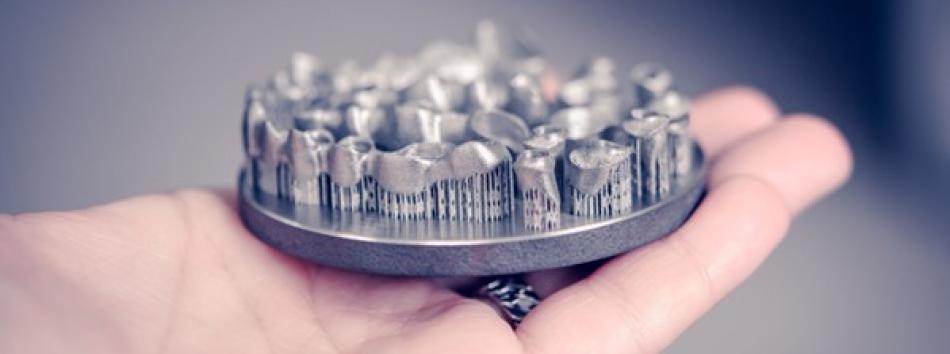
For dental implantology, surface engineering is fundamental to biocompatibility — and wet blasting has quietly become one of the most effective techniques for optimising implant surfaces.
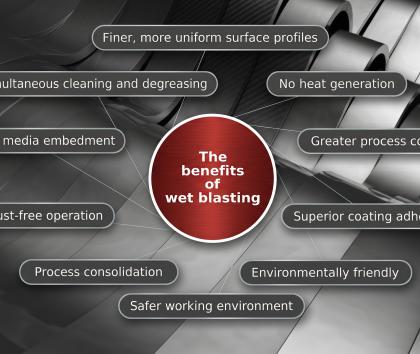
Unlike dry blasting, wet blasting produces a chemically clean, uniformly micro-roughened surface while minimising the risk of embedded abrasive particles. This matters, because residual contaminants and irregular surface defects can trigger adverse tissue responses and compromise osseointegration.
By using a water-abrasive slurry, wet blasting:
✅ Controls surface topography to a biologically favourable range
✅ Efficiently removes micro-contaminants and bio-incompatible residues
✅ Preserves the material’s microstructure and corrosion resistance
✅ Creates a surface that actively supports osteoblast attachment, proliferation, and differentiation
The result? A biocompatible implant surface that promotes predictable osseointegration, reduces inflammatory risk, and supports long-term clinical success.
As the dental industry continues to refine implant surfaces for faster healing and improved outcomes, wet blasting is proving to be an indispensable tool in achieving next-level biocompatibility.
Learn more