Paint stripping is where most surface preparation problems begin
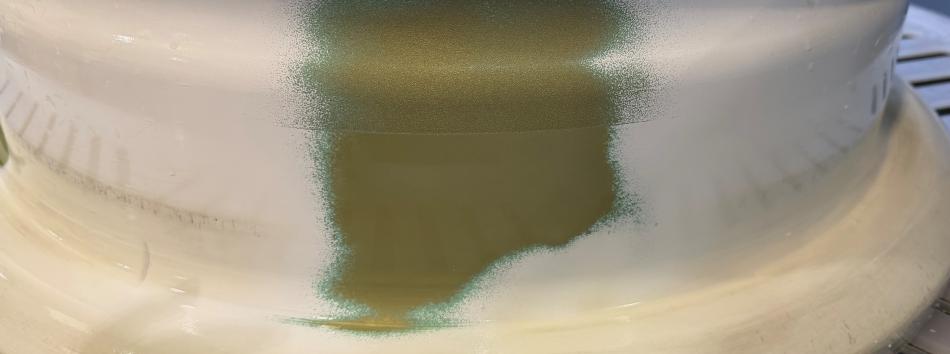
A wheel that reaches non-destructive testing (NDT) with paint still sitting in the recesses doesn't fail inspection because the inspector missed something. It fails because the process upstream left them no chance to find it.
That is the real difference between the paint stripping methods available to maintenance, repair and overhaul (MRO) operations.
Chemical stripping works by dwell time. It softens the coating, but it needs rinsing, neutralising and a waste stream that is becoming harder and more expensive to manage. Regulatory pressure on solvent-based stripping continues to build across major markets, and operations built around it are increasingly having to plan for what replaces it.
Dry blasting is quicker, but it generates dust, static and heat, and it can stress or cut thin-walled aluminium components. Media trapped in recesses is a familiar problem.
Hand sanding is only as consistent as the operator holding the abrasive.
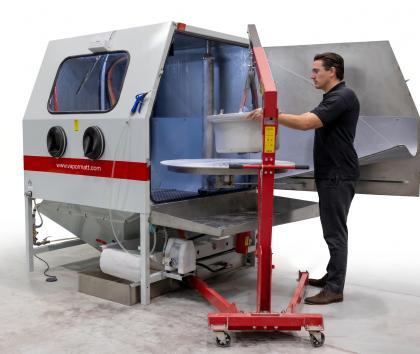
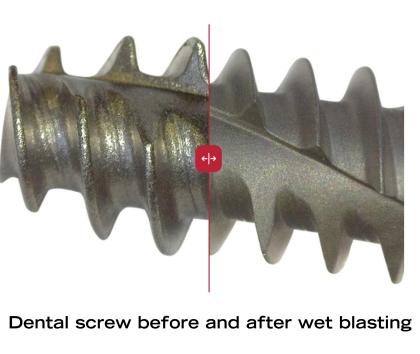
Wet blasting takes a different approach. The slurry cushions the abrasive, so the coating lifts without the substrate being attacked, and the media reaches into recesses, radii and threaded features that defeat dry blasting and chemical strip. Pressure, media grade and blast angle are adjusted independently, so the same machine strips a single topcoat or works through multiple layers.
The result is a surface that is genuinely clean rather than visually clean, and ready for NDT, primer or coating with no further preparation.
In Vapormatt sample processing trials, a 600mm aircraft wheel was fully stripped using plastic media on an R & D machine. Manual processing took 30 to 40 minutes. With a two-gun automatic machine, cycle time is approximately 20 minutes per wheel.
Learn more