Why surface finishing matters in medical instrument and device manufacturing…
In medical instrument and device production, surface finish is a critical factor in safety, functionality, and regulatory compliance. That’s where Vapormatt’s patented wet blasting technology delivers a real advantage.
With unparalled process control and automation, Vapormatt's technology ensures every component is finished to exacting standards — clean, consistent, and contamination-free.
Here’s how our technology makes a difference:
✅ Consistent, repeatable finishes – Automation ensures each batch meets ISO 13485 and FDA requirements.
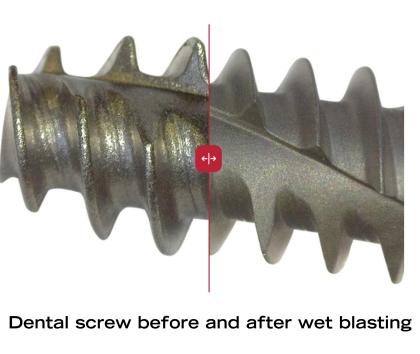
✅ Improved surface quality – Burr removal, edge smoothing, and micro-texturing enhance product reliability and usability.
✅ Reduces glare on surgical instruments – Matte finishes reduce reflections under operating room lights, improving visibility and comfort for surgical teams.
✅ Controlled Surface Roughness (Ra) – Delivers the ideal Ra for sterilisation, helping prevent bacterial retention and ensuring fast, effective cleaning.
✅ Protects material integrity – Suitable for titanium, stainless steel, and ceramics, with no thermal stress or dimensional distortion.
Typical medical instruments and devices finished by wet blasting include:
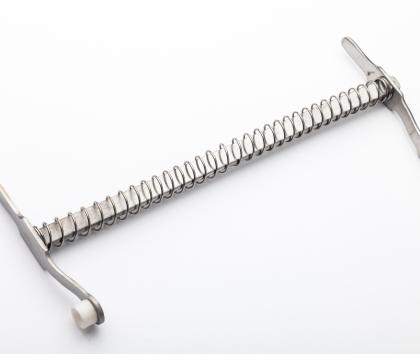
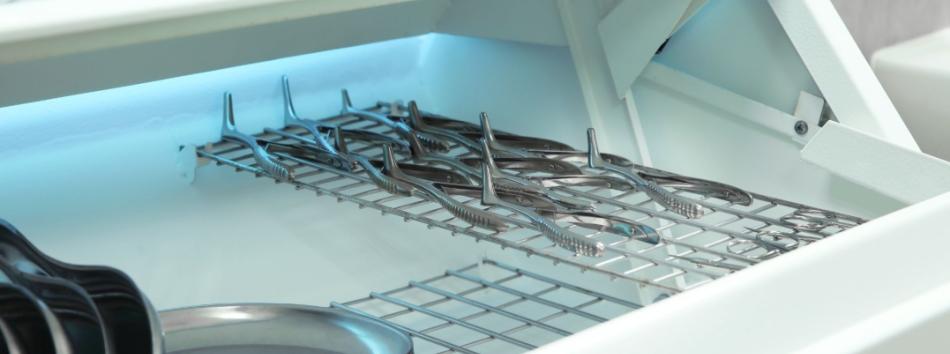
• Surgical instruments (scalpels, forceps, clamps)
• Laparoscopic and endoscopic tools (trocars, scissors, graspers)
• Cardiovascular components (pacemaker housings, guide wires)
When precision, hygiene, and consistency are critical, Vapormatt delivers industry leading process control you can trust.