Skip to main content
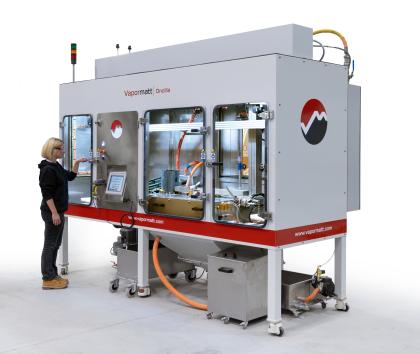
How the Oncilla removes finishing steps for solid carbide tool production efficiency
Read article
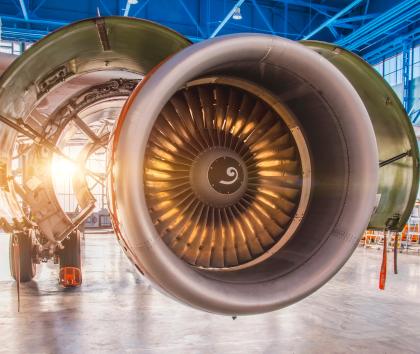
From the RAF to Pratt & Whitney, why the world's toughest aerospace operations trust Vapormatt wet blasting.
Read article
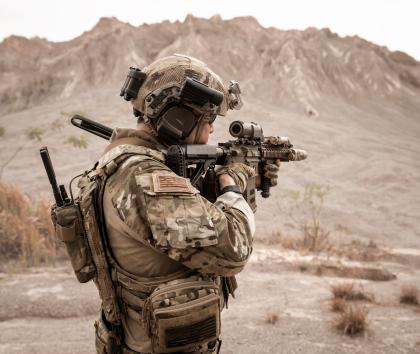
Firearms component finishing needs proof, not promises.
Read article
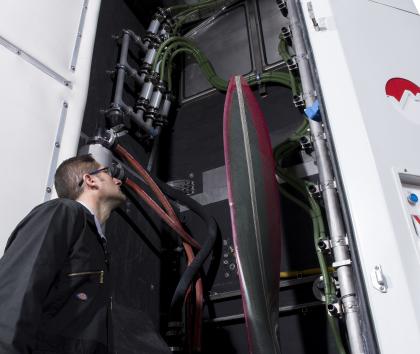
If a surface preparation process is trusted to bond propeller blades, it can be trusted with your components too.
Read article
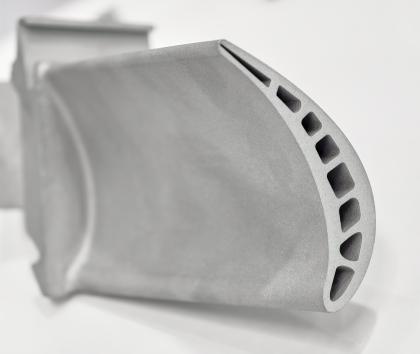
Cleaning the internal channels of additive manufactured components with confidence.
Read article
Paint stripping is where most surface preparation problems begin
Read article
Can wet blasting meet aerospace and medical OEM specifications?
Read article
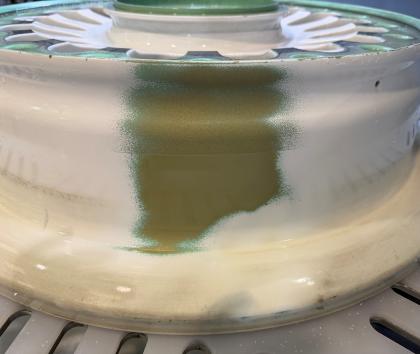
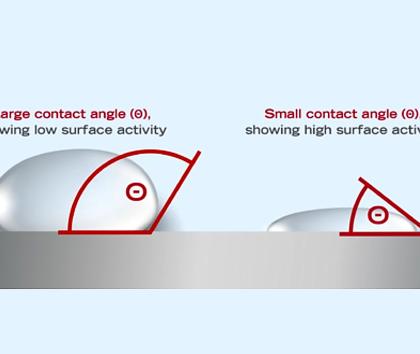
Most paint adhesion failures start at the preparation stage, not the application....
Read article
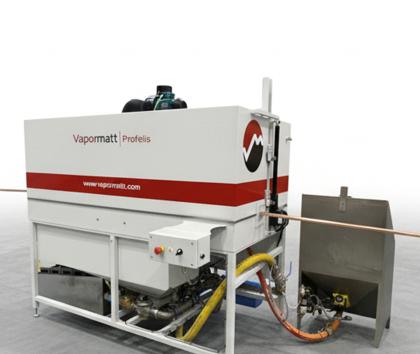
Profelis automatic wet blasting machine for inline CRE feeder stock cleaning
Read article
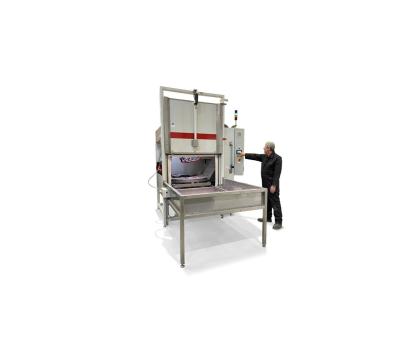
Cougar+ machine configurations for aluminium die cleaning...
Read article
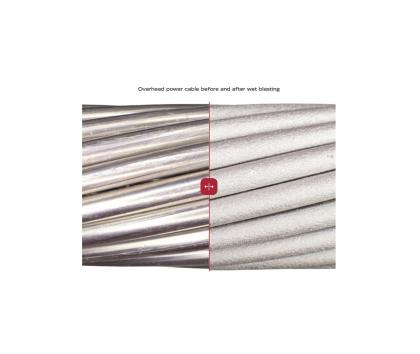
A 5% increase in current carrying capacity...
Read article
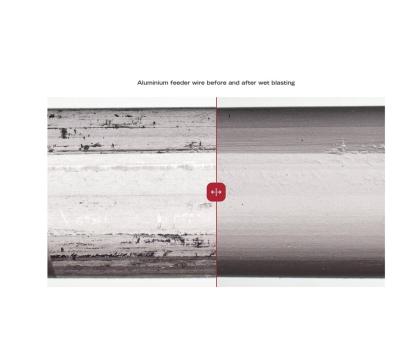
Wet blasting for continuous rotary extrusion...
Read article