News

24/03/26
by Miles
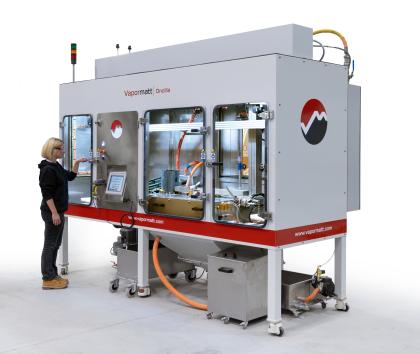
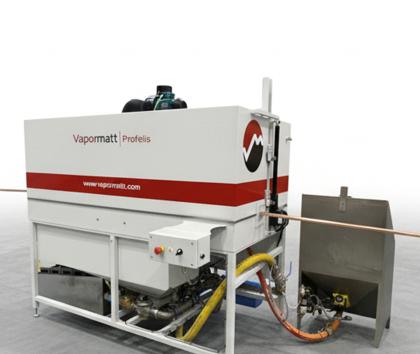
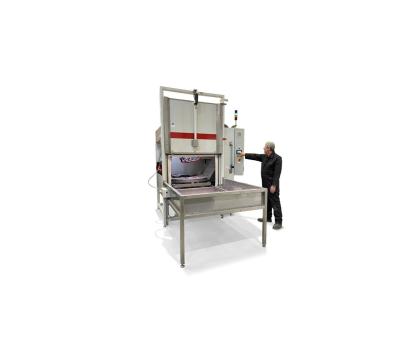
Vapormatt Leopard Cub automatic wet blasting machine

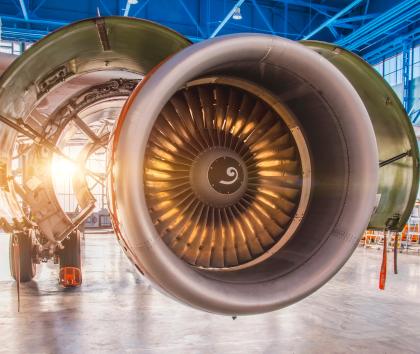
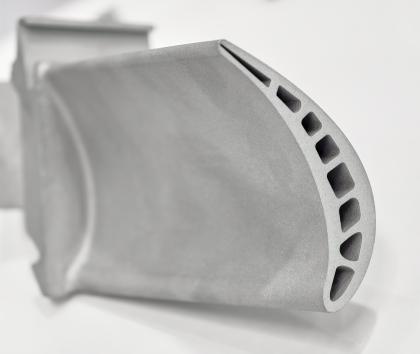
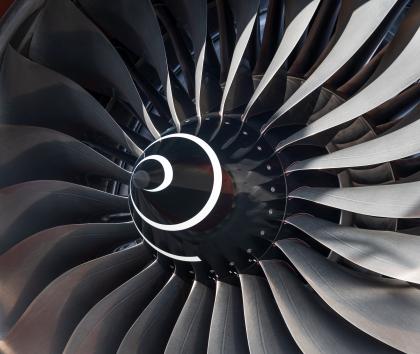
Wet shot peening extends turbine blade life by more than 1,000%. It is a proven result, achieved by projecting small, hard, spherical media at turbine blades, fan blades, and other engine components. The impact introduces compressive stresses into the substrate, refining the grain structure and dramatically reducing the likelihood of fracture and cracking.

For aerospace MRO operations, the advantages over dry shot peening are significant.

Same intensity, gentler process - Wet shot peening delivers equivalent peening intensity to dry shot peening - with one important difference. The cushioning effect of water protects delicate surfaces and complex aerofoil geometries, making it the superior choice for intricate or thin-section components without any compromise on peening performance.

Superior surface finish - The flow of media over complex geometries produces a smoother, more consistent finish. Parts can enter the machine uncleaned - contaminants are removed and filtered away during the peening process itself, Unlike dry shot peening, no pre-cleaning is required.

Contamination eliminated - Ceramic or stainless-steel media is used as standard, removing the risk of non-ferrous contamination - a critical consideration in aerospace manufacturing and MRO.

Reduced costs and improved safety - Patented filtration systems keep good media in circulation for longer, reducing overall media spend. The absence of dust removes inhalation risks and eliminates the need for expensive ATEX filtration when processing reactive materials such as titanium.

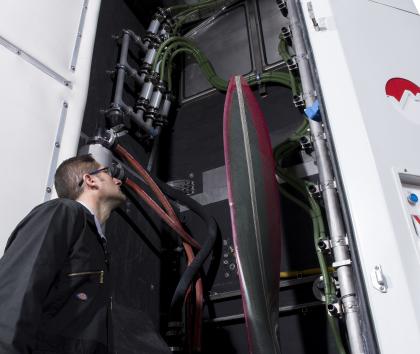
Vapormatt's Leopard, Sabre, and Cougar+ wet blasting machines are purpose-built for this work - handling wet shot peening, cleaning, and de-coating across a broad range of jet engine components, including tall fan blades that require vertical processing. Each delivers the process control, repeatability, and finish quality that aerospace MROs and OEMs demand.

If your operation is still running dry shot peening, the question is what switching to wet peening would mean for your component life, process efficiency, and bottom line. We would welcome the conversation.

Contact us

Register

In order for us to fulfil your request, please enter your details below.

Badbot Fields
If you see these fields, something is wrong.
If you see this field, something is wrong.
CAPTCHA
This question is for testing whether or not you are a human visitor and to prevent automated spam submissions.