Why surface finishing defines carbide tool performance...
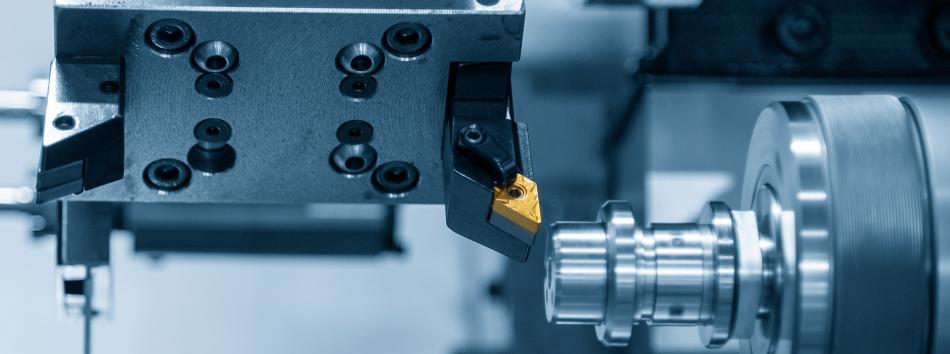
Carbide tool performance is often decided by what happens at the surface and the cutting edge. A small burr, the wrong edge hone, or inconsistent coating preparation can mean heat build-up, chipping, unstable chip formation and shorter tool life.
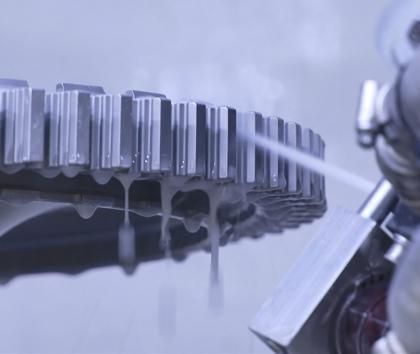
Wet blasting is highly effective at controlling those details reliably, at production scale, and without compromising tool geometry.
Typical applications
• Cleaning and deburring tools after manufacture or re-grinding
• Precision edge honing to a defined radius and K-factor profile
• Surface preparation to achieve the right Ra and cleanliness for PVD and other coatings
• Post-coating finishing to remove droplets and surface defects for smoother cutting
• Peening coatings to convert tensile stress into compressive stress for greater durability
• Selective coating removal where specific surfaces need different thermal or cutting behaviours
Key advantages
• More robust edges with less chipping, curling and micro-cracking
• Longer tool life, fewer tool changes, and more predictable machining outcomes
• Better coating adhesion and more consistent coating performance
• Improved chip formation, reduced vibration, and less built-up edge
• Lower dust and noise, plus recycling of media and water for a cleaner operation
If you finish carbide tools then learn more by visiting our dedicated cutting tool insert and round shank tool website pages