Reducing Aircraft on Ground (AOG) time with Vapormatt wet blasting technology...
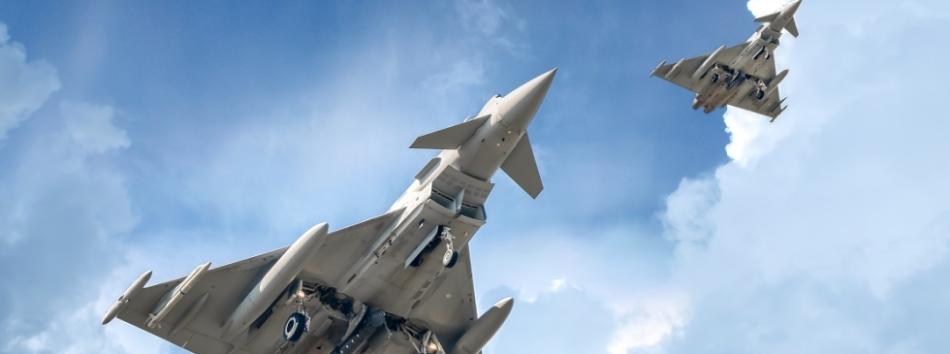
Keeping fighter jets mission-ready demands precision, efficiency, and speed — especially when it comes to critical components like aircraft wheels.
The Royal Air Force (RAF) faced a recurring challenge: lengthy turnaround times for non-destructive testing (NDT), including crack detection on aircraft wheels. Traditional chemical stripping methods slowed operations, increased labour demands, and introduced environmental risks.
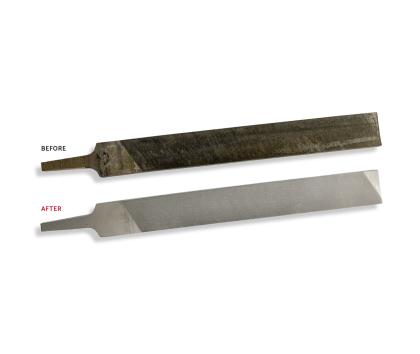
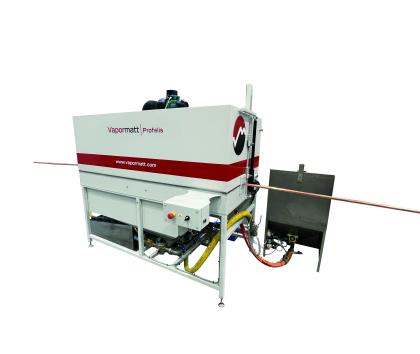
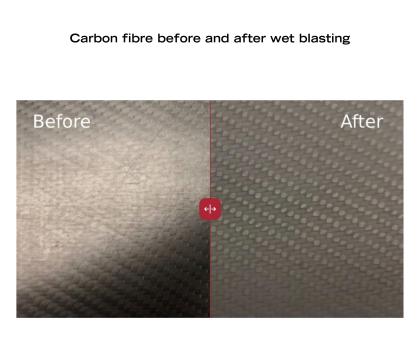
Enter Vapormatt’s wet blasting technology — a custom-engineered process combining hot water, detergent, and fine plastic media to safely and rapidly clean, degrease, and strip coatings from complex wheel geometries.
Key technical advantages:
✅ Prepares surfaces for both eddy current (ECT) and dye penetration testing (DPT) without compromising wheel integrity or Alodine coatings.
✅ Closed-loop filtration system separates contaminants from reusable media, reducing downtime and maintenance.
✅ Eliminates harmful dust typically generated by dry blasting processes.
✅ Rapid process times: A full fighter jet wheel can be degreased and stripped in approximately 20 minutes.
The result…
At RAF Lyneham, turnaround time dropped from 8–10 days to just 48 hours, directly impacting fleet readiness and operational efficiency. Labour hours and chemical waste were also dramatically reduced — leading to significant cost and environmental benefits.
With over 35 Vapormatt systems now supporting RAF MRO operations globally, Vapormatt wet blasting has proven itself to be a game-changer for aerospace maintenance.
Explore how Vapormatt wet blasting technology is reshaping aerospace MRO and read the full case study