How wet blasting enhances osseointegration in dental implants...
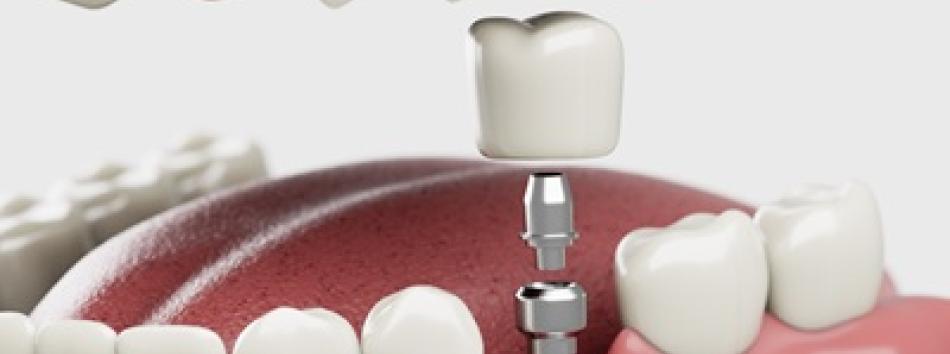
In implant dentistry, surface technology is one of the most decisive factors for long-term success. Osseointegration - the process where the jawbone fuses directly with the surface of a dental implant to create a stable foundation for replacement teeth - depends not only on surgical technique and patient biology, but critically on how the implant surface is prepared.
For many years, SLA (sandblasted, large-grit, acid-etched) surfaces have set the standard. They perform well, but research and practice continue to drive us towards cleaner, more controlled, and more biologically effective methods. This is where wet blasting stands out.
• Wet blasting delivers a surface that is both precisely engineered and clinically relevant:
• It produces a cleaner surface, free from embedded blasting residues that can compromise healing.
• It creates a uniform micro-roughness, optimising mechanical interlocking and providing a consistent structure for osteoblasts.
• It leaves the surface more hydrophilic, which promotes blood wetting, protein adsorption, and early cell attachment - all essential for accelerating integration.
• It offers flexibility, serving as a foundation for additional modifications such as acid etching or bioactive coatings.
From a clinical perspective, these advantages translate into shorter healing times, stronger early stability, and more predictable outcomes for patients.
As we continue to refine implantology, wet blasting should not be regarded as just another surface treatment. It represents a meaningful evolution in how we design implants to work with biology, not against it.