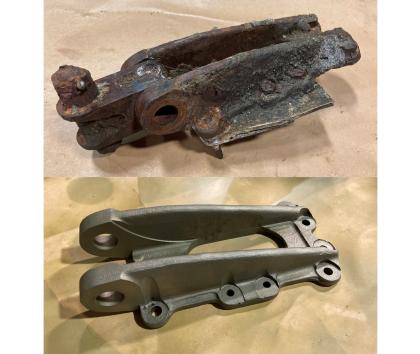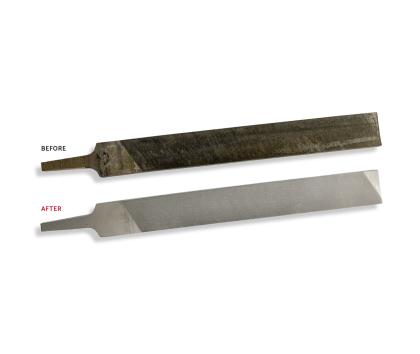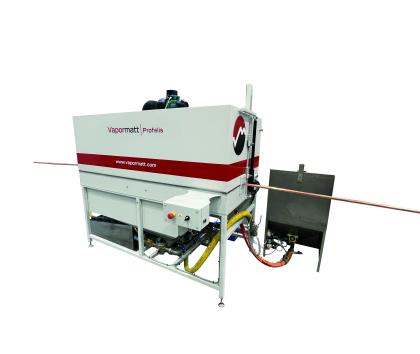
Cutting refurbishment time in half - how wet blasting speeds up alloy wheel restoration...
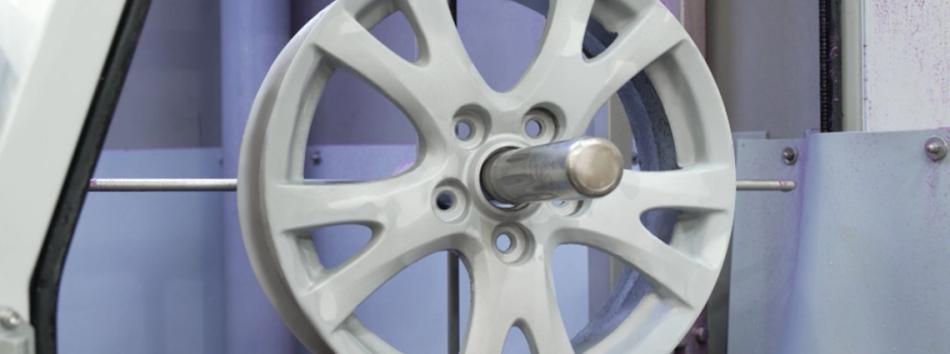
In wheel refurbishment, speed and consistency often pull in opposite directions. Push too fast, and you risk uneven surfaces or missed contamination. Take it slow, and productivity drops. Wet blasting is changing that balance.
By mixing fine abrasive media with water, the process delivers controlled, even cleaning in a single step. Instead of multiple rounds of dry blasting, sanding, and degreasing, technicians can move from prep to coating far more quickly.
Here’s where the time savings come from:
- Fewer stages: Wet blasting combines cleaning, surface preparation, and finishing in one operation.
- Consistent coverage: The fluid slurry reaches into complex wheel contours, reducing the need for manual touch-ups.
- Minimal rework: The process leaves a surface that’s ready for coating straight away, cutting downtime between stages.
- Faster clean-up: With dust trapped in water rather than in the air, workshops spend less time maintaining equipment and more time refurbishing wheels.
For busy refinishing operations, these small efficiencies add up. Some report throughput increases of 40–50% without compromising finish quality - a meaningful difference when turnaround times define customer satisfaction.
Learn more