The best preparation for composite bonding

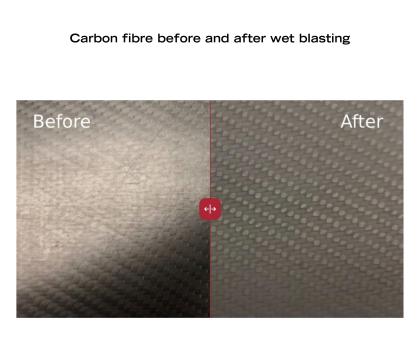
By lightly wet blasting the top layer of composite components, the surface area for bonding is increased and any waxy residues are removed.
So as well as improving the adhesion of composite components to other composites or metal, it also improves the ease of lacquering or painting.
In the case of carbon fibre composites, there’s the additional benefit of the water in the wet-blasting process reducing fibre damage by buffering the abrasive particles.
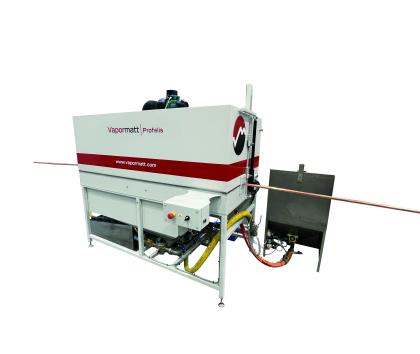
With wet-blasting being so suited to composite bonding, it’s no wonder Vapormatt systems are installed in some of the world’s leading Formula 1 Teams and Aerospace manufacturers.