Most paint adhesion failures start at the preparation stage, not the application....
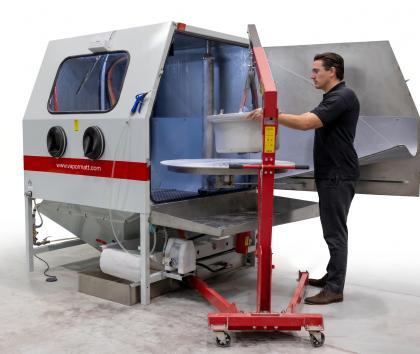
When surface preparation falls short, paint loses adhesion before it has a chance to perform. Wet blasting addresses this in a single operation: water and abrasive media are mixed into a slurry, then compressed air projects a controlled stream onto the surface, cleaning and profiling it simultaneously.
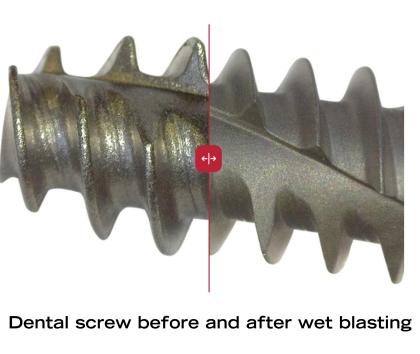
Because the abrasive is cushioned in water rather than striking at full velocity, the surface can be profiled while reducing the risk of media embedment and substrate damage compared with conventional dry blasting.
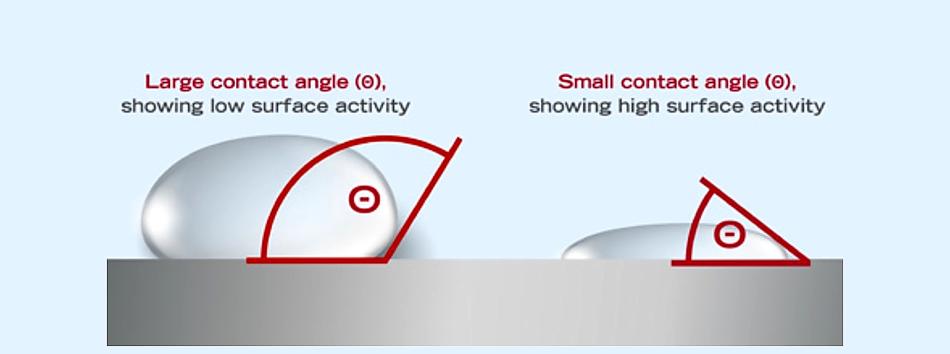
There is another important benefit worth understanding. Wet blasting can leave a freshly cleaned surface with higher surface energy and improved wettability. Surface energy is often assessed by measuring contact angle. In general, a higher surface energy produces a lower contact angle, allowing paint to spread evenly across the surface rather than bead. This contact angle can be measured using a Goniometer, providing an indication of how readily a coating will wet the surface.
If paint is failing to adhere properly, your preparation process might be letting you down.
Learn more