Image

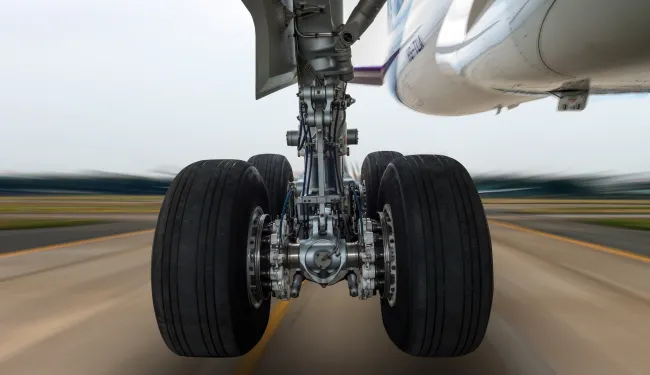


At least 40% faster total turnaround time on paint stripping.
Fewer failed inspections, less rework, cleaner wheels.
No dust, no harsh chemicals, no operator risks.
Cleaning, degreasing, paint stripping - all in the same machine
Wet blasting (also known as vapor blasting) cleans, degreases and strips paint from aircraft wheels and brake assemblies in a single pass, removing the separate degrease, dry and mask stages that slow down every overhaul. In a documented A350 wheel trial, it cut stripping time by 52% with no chemical pre-treatment.
Every wheel and brake overhaul runs through the same bottleneck: oils, grease, brake dust and carbon must come off, then the paint, before NDT. On a fixed-price contract, none of those stages add value. They are pure cost.
Vapormatt has supplied wheel and brake shops with wet blasting equipment since 1978. Our biggest customer base spans some of the world's largest air forces, where aircraft turnaround is an operational imperative, not a commercial preference.
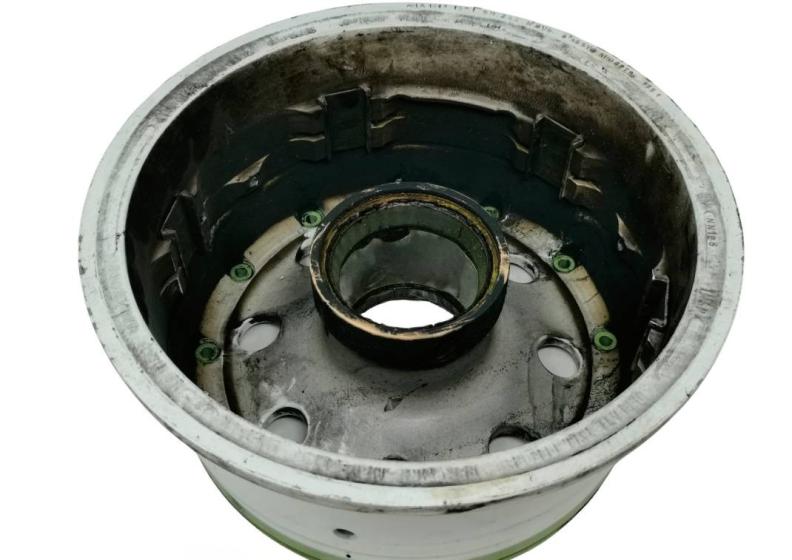
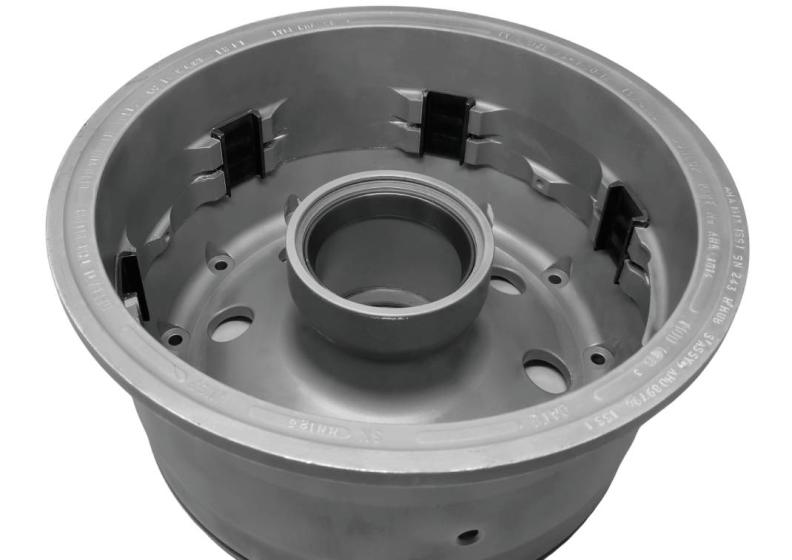
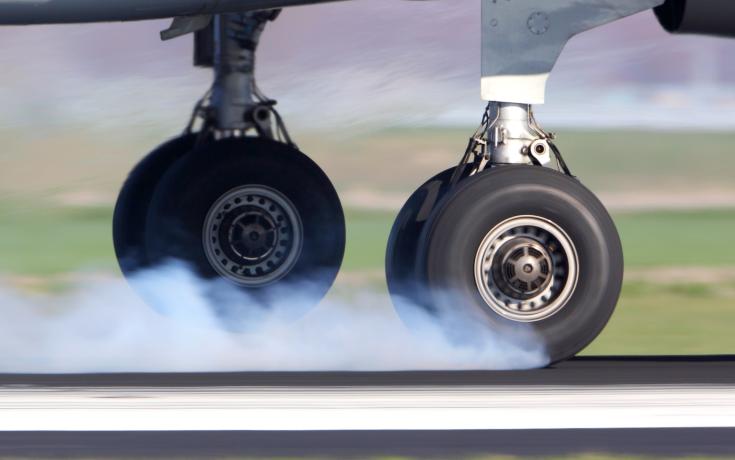
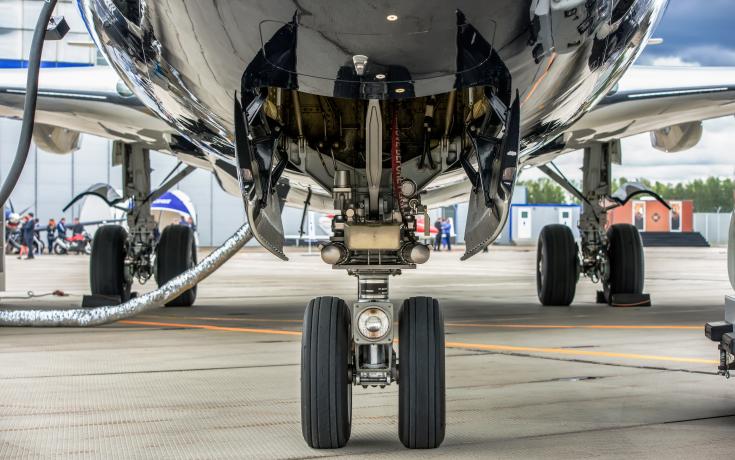
Most wheel shops run cleaning and paint stripping as separate operations. The degreasing stage removes oils, grease, brake dust and carbon. The blast stage removes paint ahead of NDT. Where OEM maintenance manuals specify chemical pre-treatment, that sits between them. Each stage is necessary. The problem is the sequence.
The process flow that results typically looks like this: degrease, dry, mask, blast, blow-down, continue processing. Five steps, each with its own handling time and its own opportunity for the wheel to sit between operations.
Dry plastic media blasting also introduces a further problem. During the blast cycle, paint particles, broken media and brake dust residue become airborne. Where chromate or epoxy primers are present, that dust can contain carcinogens. Extraction infrastructure is required. Filters need maintenance.
Chemical stripping, where manuals require it, remains the correct process. The issue is that it is sometimes applied beyond mandate, and the chemical disposal obligation it generates grows as environmental regulations tighten.
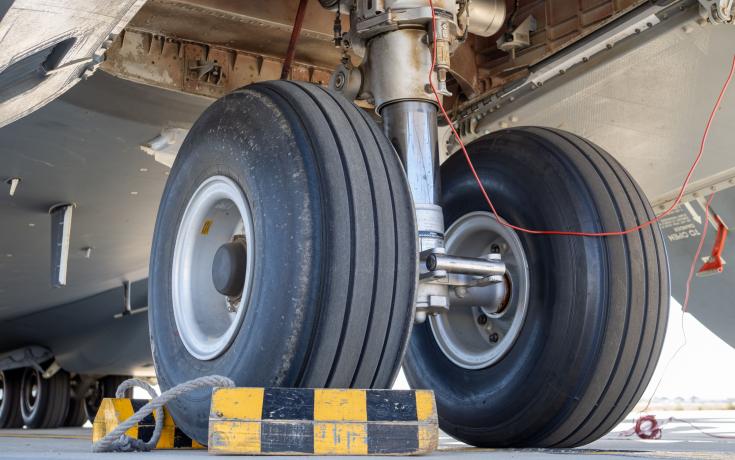
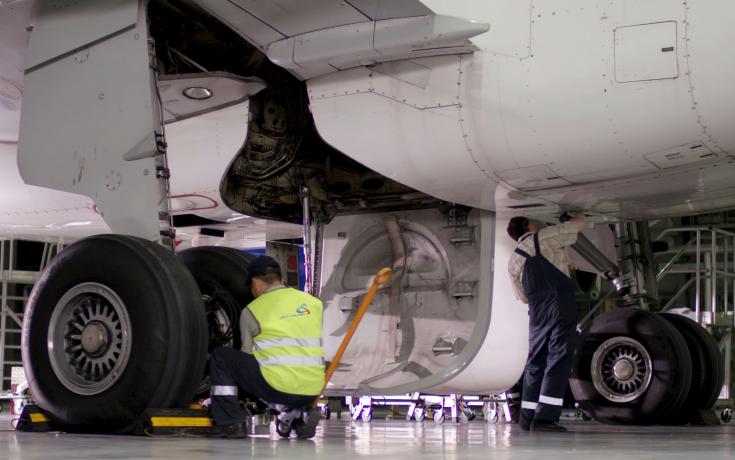
Wet blasting (also known as vapour blasting or vapor blasting) suspends plastic media in a slurry of hot water and mild detergent, propelled by compressed air. With compressed air as a key variable, low pressure blasting removes oils, grease, brake dust, carbon deposits and heat scale without disturbing the paint. By increasing air pressure, wet blasting strips paint and degreases simultaneously, in a single pass, with no pre-clean stage, no drying stage, and no airborne dust.
The plastic media used conforms to MIL-DTL-85891, the same engineered media specification referenced in MIL-STD-1504D for organic coating removal from military aircraft components.
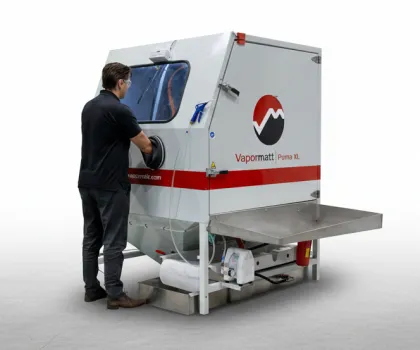
Faster: A large European MRO organisation was processing A350 inner wheel halves using chemical pre-treatment followed by dry blasting, taking 120 minutes per wheel. Running the Vapormatt Puma XL using WASP (Water Assisted Stripping Process), following Safran SPM 32-09-01 in full, the same wheel was stripped in 58 minutes with no chemical pre-treatment and no substrate damage, confirmed by continuity reading. A 52% cycle time reduction, on a documented customer trial.
Cleaner: The flow of abrasive, created by adding water, increases overall coverage with the whole wheel being processed more thoroughly. The wheel leaves the machine ready for eddy current testing, dye penetrant inspection, or direct repainting, without further preparation.
Safer: No airborne dust. No solvents. No harsh chemicals. Compressed air demand is substantially lower than an equivalent dry blast operation. Chemical disposal costs are removed for the degreasing stage entirely. As health and safety regulation around abrasive blasting continues to tighten, shops running wet blasting carry a structurally lower compliance burden.
WASP is fast, contained, and designed to sting the time out of your overhaul cycle.
Discover more about the health and safety benefits of wet blasting
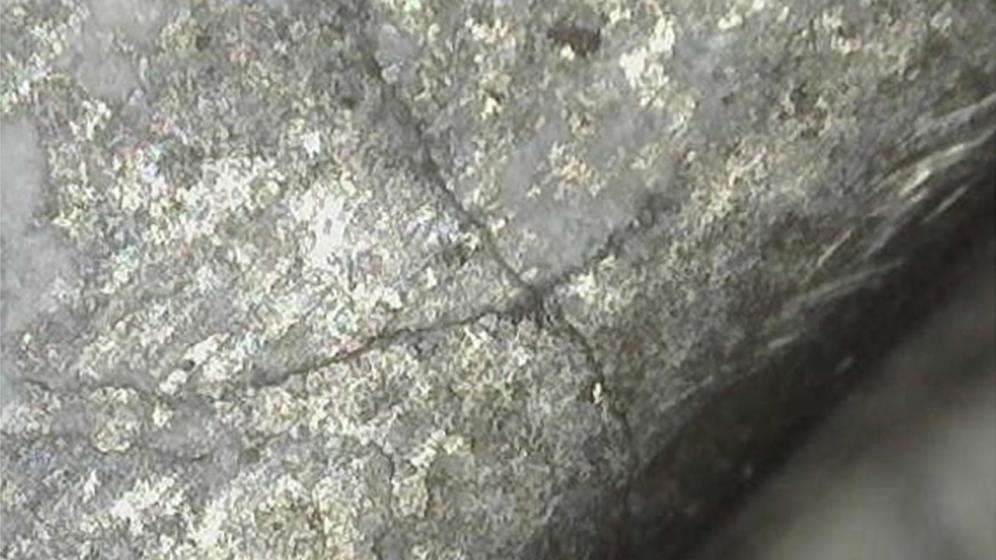
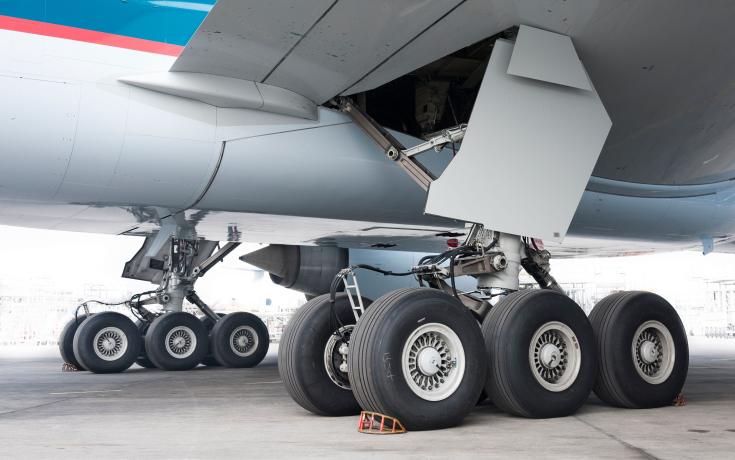
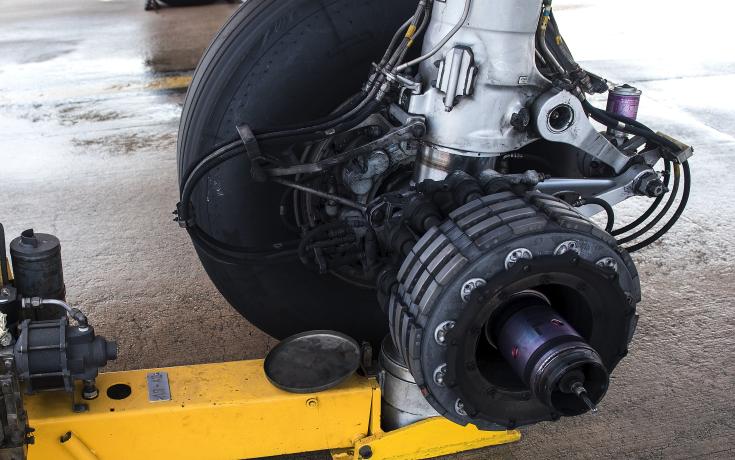
The same process covers every surface preparation requirement from routine cleaning through to full de-paint, across both wheels and brake assemblies.
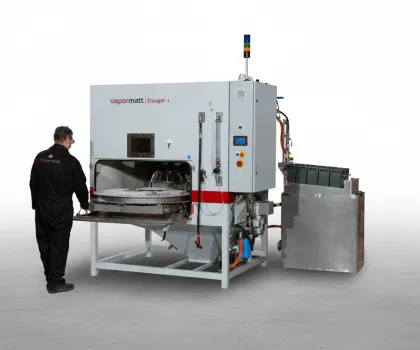
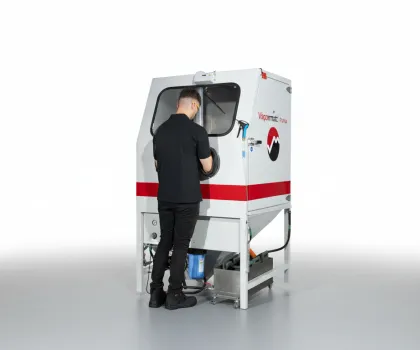
Vapormatt machines for this application include the Puma and Puma XL for manual and mid-volume operations, and the Cougar+ for fully automatic high-throughput wheel shops.
Compare wet blasting machines for aircraft wheels and brakes
Norman Ashworth pioneered wet blasting alongside Sir Frank Whittle in the 1940s, and wheel and brake MRO has been core to the business since 1978. The process has been validated in some of the most demanding operating environments in aviation: military wheel shops where the machine runs every day, on every aircraft type, to a documented specification, with no tolerance for inconsistency. Vapormatt holds NATO NCAGE code U5895, and Vapormatt 4.0 process logging supports EASA Part 145 and FAA Part 43 quality systems.
Send us a wheel, specify the OEM maintenance manual or process specification you work to, and we return documented results covering cycle time, surface condition, and substrate integrity before any purchase commitment.
Cleaning and paint stripping are necessary steps in the overhaul cycle. They are not value-adding ones. The time, compliance overhead, and process variability that the multi-stage conventional approach introduces sit entirely with your operation. Consolidating those stages into a single wet blasting process removes that cost, and does it consistently, regardless of who is operating the machine.
The shops that invest in that consolidation now will be better placed as regulation tightens and fixed-price contract margins come under further pressure.
Yes. Wet blasting uses a slurry of hot water, mild detergent and plastic media, so oils, grease, brake dust and carbon come off in the same pass as the paint. This removes the separate degreasing and drying stages that dry blasting needs, along with the handling time and chemical disposal that go with them.
Documented trials show 20 to 60 minutes per wheel or wheel half, depending on wheel size, paint system and number of layers. In a European MRO trial, an A350 inner wheel half was stripped in 58 minutes on a manual Puma XL. The previous process of chemical pre-treatment and dry blasting took 120 minutes. In Vapormatt sample trials, a complete 600mm wheel took 30 to 40 minutes manually, and a two-gun automatic machine was projected at around 20 minutes.
Wet blasting (also known as vapor blasting) degreases and strips paint in one pass. Dry blasting needs a separate pre-clean and drying stage, and chemical stripping adds etching and disposal steps. Because the media is carried in water, there is no airborne dust, which matters where chromate or epoxy primers can make that dust carcinogenic. Where a maintenance manual mandates chemical stripping, it remains the correct process.
No, when the process is set up correctly. Plastic media conforming to MIL-DTL-85891, at controlled pressure, lifts paint without attacking the substrate underneath. In a documented trial following Safran SPM 32-09-01, a continuity reading after full paint removal verified that the anodised layer on an A350 wheel half was undamaged. Alodine-treated surfaces are protected in the same way.
Yes. The wheel leaves the machine ready for eddy current testing, dye penetrant inspection or repainting, without further preparation. Because the abrasive is carried in water, media does not embed in the surface. Cracks and other discontinuities are cleaned out and left open for the inspector instead of being masked.
Yes. The same machine and process cover torque tubes, stator rings, pressure plates, pistons, and carbon and steel brake discs, as well as wheel hubs and inner and outer wheel halves. The flowing slurry reaches internal radii and complex geometry that a hand-held dry blast gun covers inconsistently.
The plastic media used conforms to MIL-DTL-85891, the specification referenced in MIL-STD-1504D for removing organic coatings from military aircraft components. A documented customer trial followed Safran SPM 32-09-01 in full. Where a component maintenance manual (CMM) mandates chemical stripping, that remains the correct process. Vapormatt will trial your wheel against the CMM or process specification you work to.
It depends on throughput and how much the work varies.
Together they cover wheels up to 30 inches in diameter, from regional jets to widebodies such as the A350 and 787.
Send us a wheel and tell us the maintenance manual or process specification you work to. We process it at our UK test facility and return documented results covering cycle time, surface condition and substrate integrity, before you make any purchase decision.