How to improve CVD success with wet blasting
CVD coatings are applied at considerably high temperatures, normally between 925-1075 degrees centigrade. With the amount of energy that is required to apply the coatings can make failure at this stage an expensive mistake to correct.
With the nature of high temperature coatings, when applied to a cemented carbide surface, the process can create cooling cracks and particularly high tensile stresses; caused by the difference in the coefficients of thermal expansion between the two.
High tensile stresses will have a detrimental effect on the life of the cutting tool when exerted in certain conditions as it can facilitate the cooling cracks to grow and penetrate the cemented carbide. The growth of cracks into the carbide can cause the cutting edge to chip or even break when in contact with the work surface.
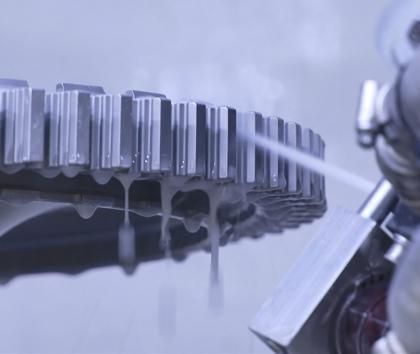
Having worked with several manufactures that have a requirement for CVD coatings Vapormatt have been able to provide wet blasting solutions that can reduce the likelihood of coating failure. With some of the highest levels of process control tooling manufacturers are able to wet peen the coated surfaces of their tools; turning tensile stress to compressive.
The Vapormatt wet blast process not only increases the life of cutting tools but can also aid the closure of the cooling cracks allowing for higher coating success rates. Manufacturers have found particular benefit from having one system for pre coating and another for post coating with the: Jaguar, Tiger and Tiger+ wet blast systems being among the most popular.