Image




Edge radii held to ±5µm tolerance, every batch
Cobalt removal exposes carbide grain structure for maximum coating bond
Controlled K-Factor repeated reliably across entire production runs
Substrate leaves the process at HF1 with zero embedded contamination
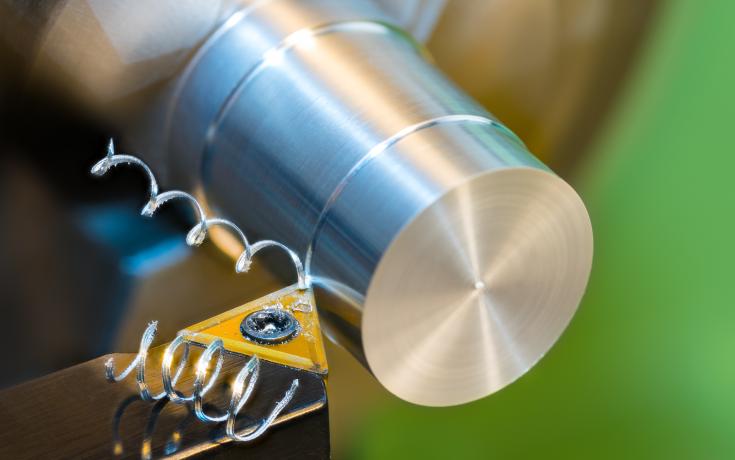
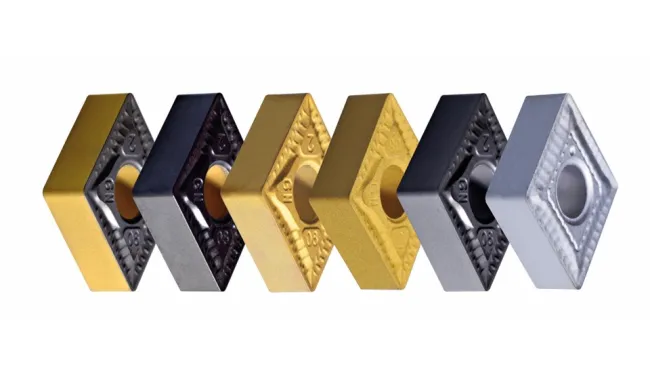
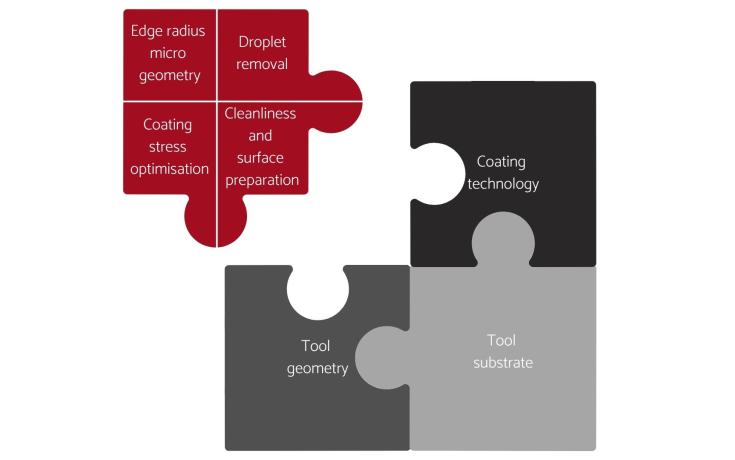
Every carbide insert leaving your line carries four layers of competitive advantage: substrate, geometry, coating, and edge preparation. The first three are well understood. The fourth is where insert manufacturers win or lose market share.
Your coating is only as good as the surface beneath it. Your edge radius determines whether the insert runs at full speed from the first cut or chips within the first hour. Both need to be right, every time, across every insert in every batch.
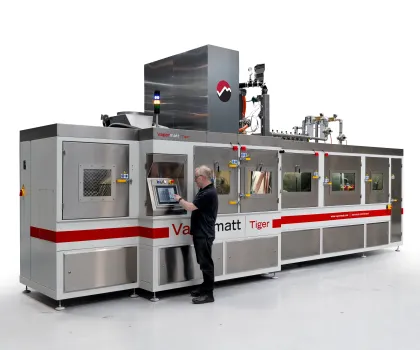
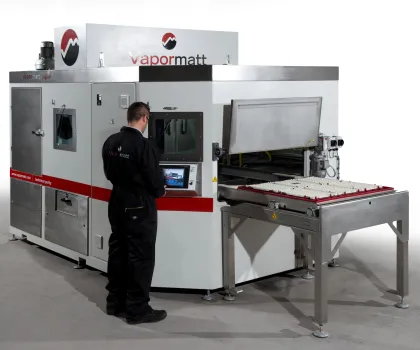
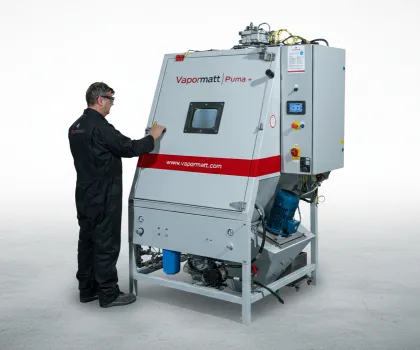
Vapormatt developed the first edge honing machines in the 1980s. In the decades since, Vapormatt has applied that process to more carbide insert finishing applications than any other manufacturer in the world. Our joint development work with Sandvik on process control and repeatability reflects the depth of technical investment that sits behind every machine we build.
Read the edge preparation white paper and European cutting tool manufacturing case study
| Dry blasting | Brushing | Wet blasting | |
|---|---|---|---|
| Surface roughness (Sa) | High¹ | Variable | Low¹ |
| Coating adhesion | HF1-HF3 | Individual surfaces only | HF1 |
| Edge radius tolerance | Wide, process-dependent | Wide, process-dependent | ±5µm |
| K-Factor range | None | None | K=0.8 to 1.2 |
| Cobalt removal from substrate | Partial: residual Co binder weakens coating interface | No: Co binder remains, reducing adhesion | Yes: exposes carbide grain structure for maximum coating adhesion |
| Embedded media risk | Yes: particles lodge in substrate | No | No |
| Batch-to-batch repeatability | Low | Low | High |
| Universally applicable to insert types | Limited | Limited | Yes |
¹ Sa and Sz surface roughness data: Platit AG, Edge Pre-treatment Compendium, 2019. Wet blasting: Sa 0.05µm, Sz 0.32µm. Dry blasting: Sa 0.11µm, Sz 1.14µm.
Brushing remains the most widely used alternative. It can treat individual surfaces and produce edge radii up to 50µm, but it cannot hold a defined K-Factor or remove cobalt from the substrate. For manufacturers supplying OEM-qualified tooling, batch-to-batch variation in edge radius and coating adhesion carries direct commercial consequences.
Read the cutting tool inserts industry brochure
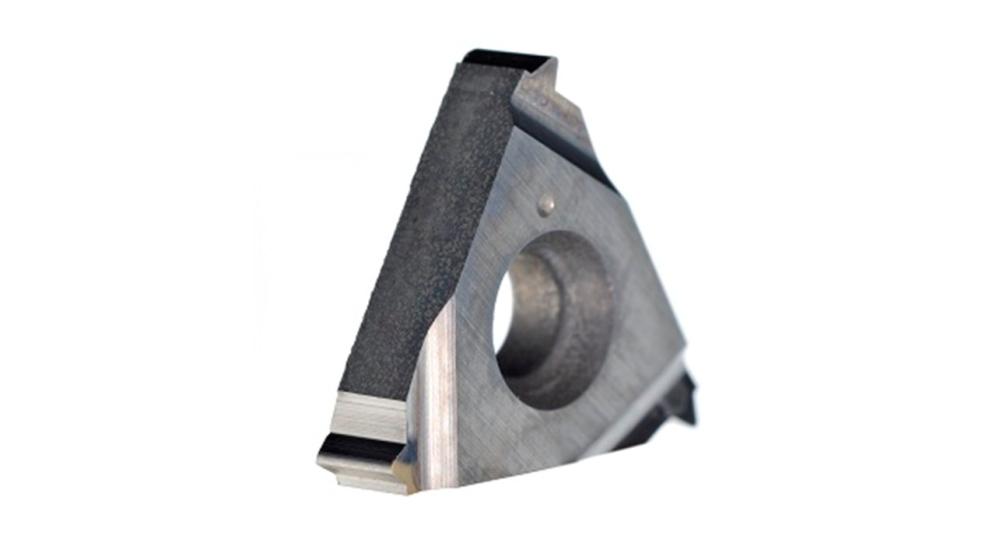
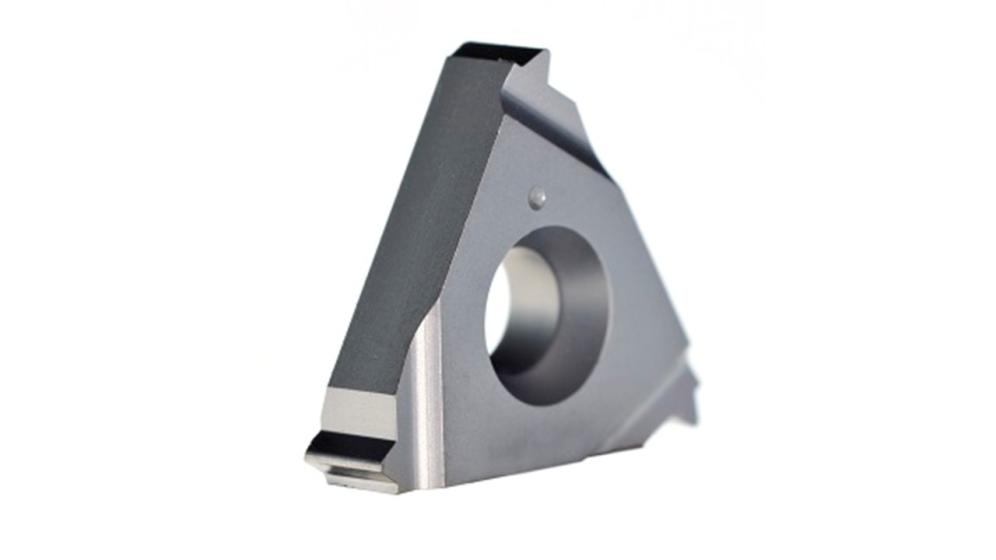
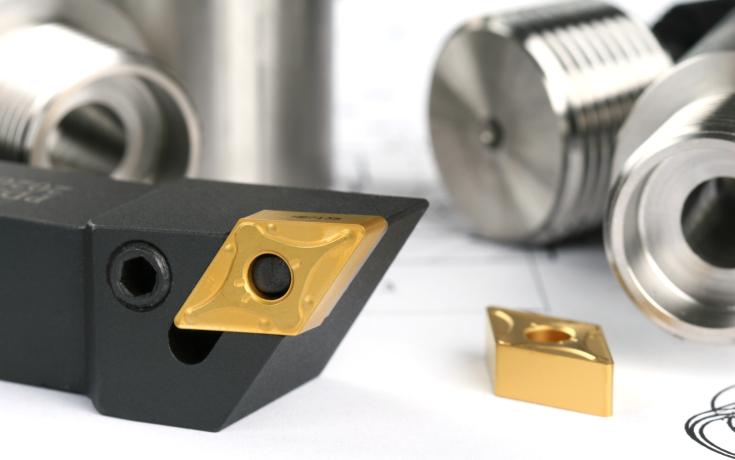
A sharp, unprepared edge concentrates stress, dissipates heat poorly, and is prone to chipping from the first cut. A correctly honed edge distributes cutting forces evenly, allows the insert to run at full production speed immediately, and extends tool life significantly.
Vapormatt systems deliver edge hones from 15 to 60µm to a tolerance of ±5µm, with full K-Factor control. A K-Factor of 1 produces a symmetric hone. Values above 1 produce a trumpet profile; values below 1 produce a waterfall hone. The specific geometry required depends on the application: a turning insert for roughing steel demands a different micro-geometry from one designed for finishing aluminium alloys. The process programmes and repeats that specific profile across an entire production batch.
One Vapormatt Jaguar installation at a European hard metal insert manufacturer consistently produced edge hones between 30 and 40µm, within a tolerance tighter than the ±15µm the customer had specified.
Read the Ionbond case study
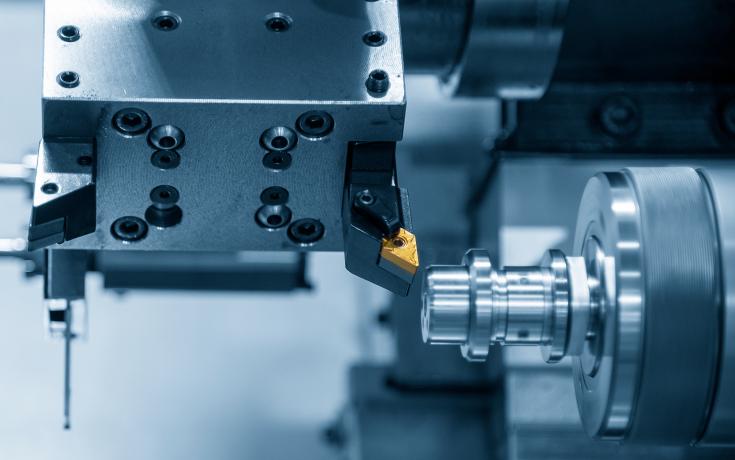
Wet blasting removes cobalt skin, sintering blisters, burrs, and heat marks from the substrate, simultaneously improving Ra and creating the reactive surface that CVD coatings require for maximum adhesion. The surface leaves the process clean to HF1 with no embedded secondary contamination.
How wet blasting prepares surfaces for PVD and CVD coating
CVD deposition temperatures introduce tensile stresses into the coating. Wet blasting converts those stresses to compressive stresses through peening, reducing flaking and adhesion failure throughout the insert's working life. The effect can be verified visually through selective removal of the superficial TiN indicator layer, or confirmed by X-ray diffraction (XRD). Where specific coating layers need to be exposed on defined surfaces to present the required thermal or wear characteristics, the same process delivers that selectively and repeatably.
We have supplied automated insert finishing systems to manufacturers from single-shift operations through to the world's largest insert producers. Our systems control up to 15 process variables simultaneously, and we hold a substantial patent portfolio in process control and repeatability.
Our R&D facility processes customer samples before any machine is specified. The process is proven on your inserts, at your tolerances, before you commit.
The insert market rewards precision and penalises inconsistency. An insert with a defined edge radius, controlled K-Factor, and a clean reactive substrate performs predictably, justifies a premium, and reduces warranty risk. If your current process cannot hold ±5µm on edge radius or cannot programme a specific K-Factor repeatably across a production batch, the gap between your product and the market's best will widen.
CVD (Chemical Vapour Deposition) coatings are applied at high temperatures and produce thicker, highly wear-resistant layers, making them well suited to high-speed steel cutting and roughing applications. PVD (Physical Vapour Deposition) coatings are applied at lower temperatures, preserve sharper edge geometries, and are generally preferred for finishing operations and materials prone to built-up edge. Neither is universally superior; the optimal choice depends on workpiece material, cutting speeds, and the specific insert geometry being used.
Insert grade determines how the carbide substrate responds to heat, abrasion, and impact during cutting. Finer grain grades offer greater hardness and wear resistance for finishing cuts, while coarser, more binder-rich grades provide toughness for interrupted cuts and roughing. Selecting the wrong grade for an application accelerates wear, increases chipping risk, and raises cost per part. Grade selection should account for workpiece material, chip load, cutting speed, and whether the operation is continuous or interrupted.
Premature chipping typically results from one or more of the following: an underprepared or overly sharp cutting edge that concentrates stress at the tip; incorrect grade selection for the level of impact in the cut; inadequate or incorrectly directed coolant causing thermal shock; excessive feed rates; or poor coating adhesion resulting from insufficient pre-coating surface preparation. Identifying the root cause requires examining the wear pattern on the failed insert, as chipping at the cutting edge presents differently from flaking caused by coating delamination.
Inserts should be stored in their original sealed packaging in a dry, temperature-stable environment away from direct sunlight and humidity fluctuations. Moisture exposure can initiate oxidation of the cobalt binder at the substrate surface, reducing coating adhesion when the insert is subsequently recoated or if it carries a pre-applied coating. Inserts should not be stored loose in bulk containers where contact between them can damage edge geometry. Stock rotation on a first-in, first-out basis is recommended for high-volume operations.
Yes, carbide inserts can be recoated, and doing so is common practice for reducing tooling costs in high-volume manufacturing. Before recoating, the existing coating must be fully stripped and the substrate surface re-prepared to remove oxidation, residual binder enrichment, and any surface damage from the previous cutting cycle. The substrate must be returned to a clean, reactive condition equivalent to that of a new insert before coating is reapplied. Incomplete preparation at this stage is one of the most common causes of reduced performance in recoated inserts compared to new ones.