Why wet blasting is the preferred finishing process for complex medical instruments...
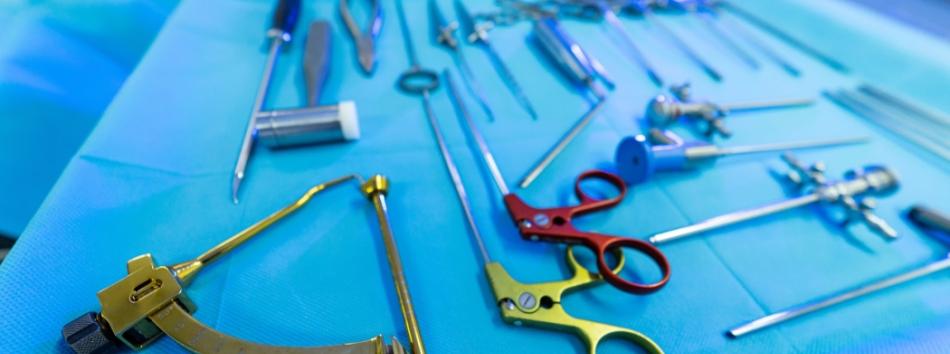
When it comes to finishing medical instruments and devices, precision is key. Components often have intricate geometries, delicate surfaces and strict finishing requirements. That’s where wet blasting stands out as a superior surface finishing process.
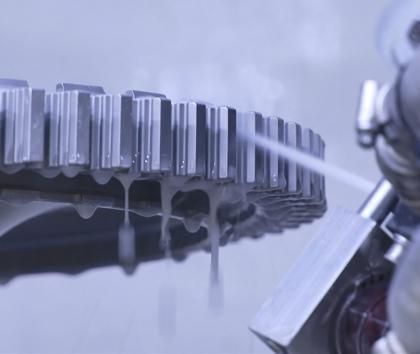
Unlike dry blasting, which can generate heat, static and surface damage, wet blasting uses a fine abrasive suspended in water to gently clean, polish and prepare surfaces. The result is a controlled, uniform finish that protects the integrity of even the most complex parts.
Here’s why many manufacturers in the medical sector rely on wet blasting:
• Gentle on surfaces: The water acts as a cushioning medium, reducing abrasive impact and preventing damage to delicate geometries.
• Precision on complex shapes: The process easily reaches recesses, holes and fine features, ensuring consistent finishing even on intricate designs.
• Enhanced cleanliness: The process removes contaminants without embedding particles, supporting stringent hygiene standards.
• Improved surface functionality: It can prepare surfaces for coating, bonding or sterilisation without altering critical dimensions.
In industries where precision and safety are essential, wet blasting offers a finishing solution that combines control, quality and compliance.
Learn more