What is spallation and why does it matter in additive manufacturing?
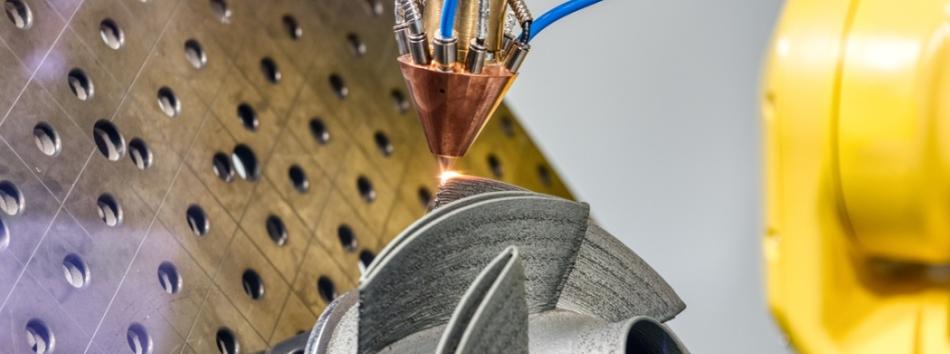
Spallation is cracking, flaking, or delamination of a coating from the surface of a part.
In AM components, it often leads to coating failure under stress, heat, or corrosion.
Why does spallation happen?
• Surface contamination (residual powder, oxides)
• Poor surface roughness control
• High residual stresses
• Weak mechanical bonding
How does wet blasting help?
• Deep cleaning: Removes powders, oxides and oils — no residue left behind.
• Ideal surface roughness: Creates a consistent texture for better coating grip.
• Surface activation: Boosts surface energy for better wetting, stronger bonding.
• Stress reduction: Gentler than dry blasting, no microcracking, lower delamination risk.
• Geometry friendly: Cleans complex internal channels and fine features without damage.
Results
✅ Stronger adhesion
✅ Longer lasting coatings
✅ Lower failure rates in service
Ideal for high-stakes industries: aerospace, energy, medical, defense
Learn more