
dsafdfsa
afdafdsa
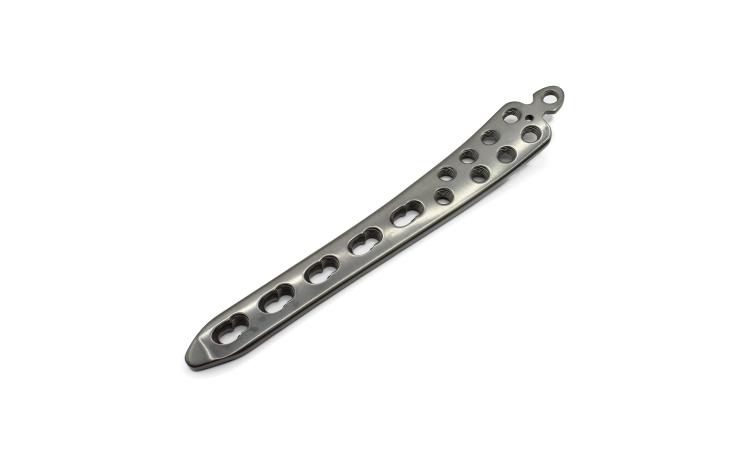
What you can achieve with wet blasting typical outcomes
- Uniform, non-directional texture that looks consistent across faces, edges and transitions. (Non-directional satin textures are a known characteristic of bead blasting style finishes.)
- Texture you can specify and repeat (for example, targeting a surface roughness requirement such as Ra). Competitor literature also highlights wet blasting as a controllable, repeatable route to Ra requirements and consistent coverage.
- Better prep for coatings and bonding by creating the right micro-profile for adhesion (the reason abrasive-prepped “anchor patterns” exist in coatings work).
- Lower risk on delicate features because the water cushions impact and reduces frictional heating.
- Cleaner finishing with water capturing debris and suppressing airborne dust.
Where surface texturing is used
- Pre-coating and pre-anodising texture control for consistent visual appearance and adhesion.
- Cosmetic, consumer-facing parts where a premium satin or matte finish matters, and “softer surface finish” and cleanliness benefits are valued.
- Complex geometries and blind features where a flowing slurry helps coverage.
- Composites and sensitive substrates where low heat, low stress and controlled texture help protect the structure.
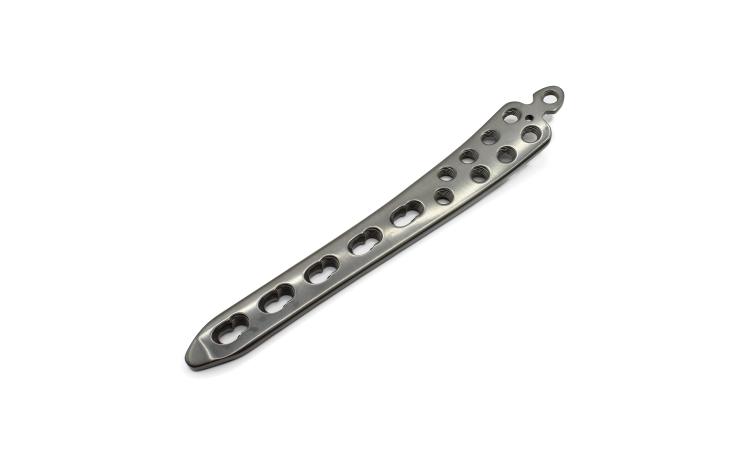
Why wet blasting works so well for texturing
Other suppliers describe a key difference clearly: wet blasting textures by flow as well as impact, because the abrasive is carried in fluid rather than striking dry at high friction. That’s one reason it can be effective on complex geometries and internal features.
The same theme shows up across competitor guidance:
- Dust minimisation and a cleaner workspace
- Reduced chance of abrasive embedding because particles are encapsulated by the slurry
- Consistent, uniform results that lend themselves to automation and repeatability
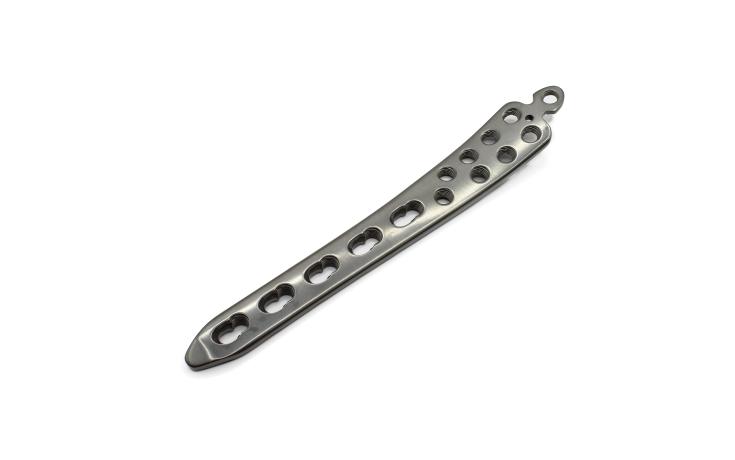
Dialling-in the texture: the controllable levers
To engineer a texture that matches your functional or cosmetic spec, we tune:
- Media type and shape
- Spherical media tends to support smoother, satin-like textures, while sharper media increases bite and profile. (Media choice is a known driver of finish character.)
- Media size and concentration
- Air pressure and slurry flow
- Nozzle selection and stand-off distance
- Exposure time, traverse speed and coverage strategy
- Part handling (manual, fixtured, or automated paths for repeatability)
Specifying and verifying surface texture
If the texture is performance-critical (bonding, coating life, friction), define it with measurable parameters:
- Roughness requirement (commonly Ra or other profile metrics)
- Coverage expectation (especially for critical sealing or bonding faces)
- Inspection method (stylus instruments, replica tape, or other accepted approaches depending on the standard and part).
Quote
Comparison table: how wet blasting performs for surface texturing
Rating scale: 5 = excellent, 1 = poor (indicative guidance; final suitability depends on material, geometry and specification).
| # | Criteria for surface texturing | Wet blasting | Dry abrasive blasting | Shot peening | Vibratory finishing | Chemical etching | Laser texturing / ablation |
|---|---|---|---|---|---|---|---|
| 1 | Texture consistency on complex geometry | 5 | 3 | 3 | 2 | 3 | 4 |
| 2 | Cosmetic uniformity (non-directional, even sheen) | 5 | 3 | 2 | 3 | 3 | 4 |
| 3 | Control of surface roughness (tuning the profile) | 5 | 4 | 3 | 2 | 3 | 5 |
| 4 | Suitability for delicate parts (low heat, low stress) | 5 | 3 | 3 | 4 | 2 | 4 |
| 5 | Dust and operator cleanliness | 5 | 1 | 2 | 4 | 2 | 5 |
| 6 | Risk of media embedding / contamination | 4 | 2 | 3 | 5 | 5 | 5 |
| 7 | Throughput for heavy stock removal | 2 | 5 | 1 | 2 | 2 | 2 |
| 8 | Ease of automation and repeatability | 4 | 4 | 4 | 3 | 3 | 4 |
Why these scores (in brief)
- Wet blasting is repeatedly positioned as dust-minimising, controllable, uniform, and gentle, with strong coverage on complex parts.
- Dry blasting remains strong for aggressive material removal, but brings dust and higher risk to delicate finishes.
- Laser processes can be extremely precise, but are often chosen for targeted work rather than high-volume texture creation on larger 3D surfaces
When wet blasting is the right choice for texturing
Choose wet blasting when you need:
- A repeatable cosmetic texture with consistent coverage
- Controlled roughness for coating adhesion or bonding
- A process that suppresses dust and reduces recontamination risk
- Lower heat and reduced surface stress on thin sections, composites, or precision parts
If your priority is maximum removal rate or very deep, coarse profiling, a different process may be faster, but you trade away cleanliness and finesse.
Why Vapormatt for surface texturing
Wet blasting began with Norman Ives Ashworth’s work in the late 1940s, and Vapormatt’s history is tied directly to that origin and the Ashworth family’s continued focus on wet blasting technology.
What that means for your texturing application:
- Process expertise grounded in decades of wet blasting development
- Engineering-led texture development (media selection, parameters, coverage strategy)
- Support that’s geared around outcomes: the surface texture you need for the next process step
Final takeaway
For a repeatable, spec-ready surface texture that looks consistent, improves coating/bond performance, and protects delicate features, wet blasting is the most balanced option—delivering uniform, controllable results with minimal dust and reduced risk of heat or impact damage.
FAQs
What is surface texturing by wet blasting?
Wet blasting (also called vapour blasting or vapor blasting) textures a surface using a controlled slurry of water and abrasive media. It creates a uniform, non-directional finish that can be tuned for appearance and functional performance.
What types of texture can wet blasting produce?
Wet blasting can achieve finishes ranging from a soft satin to a more defined matte texture, depending on media, pressure, and process time. It is commonly used when you need consistent visual uniformity across complex geometry.
How does wet blasting control surface roughness (Ra)?
You control roughness through media type and size, air pressure, slurry concentration, nozzle set-up, and exposure time. For tight specifications, you confirm the result with surface roughness measurement and adjust the process parameters.
Is wet blasting better than dry blasting for cosmetic texturing?
For cosmetic texture, wet blasting is often preferred because it produces a more even, non-directional finish and tends to reduce harsh impact marks. Dry blasting can be effective but is typically more aggressive and less forgiving on delicate cosmetic requirements.
Can wet blasting improve coating adhesion or bonding by texturing the surface?
Yes. Wet blasting can create a consistent micro-profile that supports mechanical keying for coatings and improves surface preparation for bonding, when the texture is matched to the coating or adhesive system.
Will wet blasting remove machining marks while adding texture?
It can reduce the visual impact of light machining marks and blend surfaces into a uniform texture. Deep tool marks may still show through, so the best approach is to align pre-finish condition with the target texture.
Does wet blasting change part dimensions?
Wet blasting is typically used for surface finishing and texturing rather than heavy material removal. Dimensional impact depends on substrate, media, and dwell time, so critical features should be masked or controlled with a defined process window.
Is wet blasting suitable for aluminium surface texturing?
Yes. Aluminium responds well to wet blasting when parameters and media are selected to achieve the target texture without overworking edges or fine details.
Can wet blasting texture stainless steel and titanium?
Yes. Wet blasting is widely used to texture stainless steel and titanium for consistent aesthetics and controlled surface preparation, with the right media selection and process control.
What abrasive media are used for surface texturing in wet blasting?
Media choice depends on the texture you need. Spherical media often supports smoother satin textures, while sharper media can create a more pronounced profile for functional requirements.
Can wet blasting texture 3D printed and additively manufactured parts?
Yes. Wet blasting can help unify the surface appearance and create a controlled texture, particularly where complex geometry makes consistent finishing difficult by other methods.
How do I specify a wet blasted texture for production?
Start with the required outcome: cosmetic appearance, roughness target (such as Ra), and the next process step (coating, anodising, bonding). Then define inspection method and acceptance criteria so the texture is repeatable from batch to batch.