
aafsafsda
ffadsafafds
What you get from wet blasting cosmetic finishing
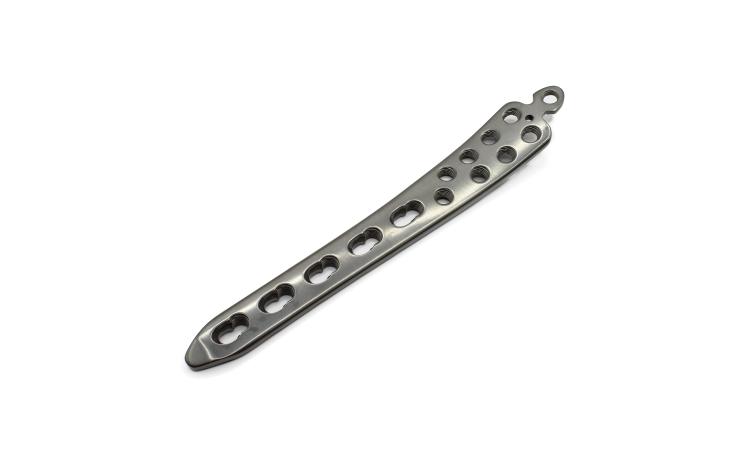
A premium, consistent appearance
- Uniform satin/matte finish across flats, curves, radii, recesses and complex geometries
- Blends light handling marks, oxidation and minor surface imperfections for a ‘new’ look
- Helps standardise appearance across batches by controlling pressure, media concentration, nozzle angle and exposure time
Clean finishing, not cosmetic ‘damage control’
- Water cushions the abrasive impact, delivering gentler surface refinement than dry blasting
- Slurry action flushes away loosened contamination for deep surface cleaning
- Minimises the risk of media impingement/embedding associated with some dry blasting processes
A safer, cleaner process
- Dust is suppressed by the water carrier, reducing airborne dust in the work area
- Lower heat/friction compared with dry blasting helps protect thin-walled or heat-sensitive parts
Quote
Ideal for items where appearance drives value
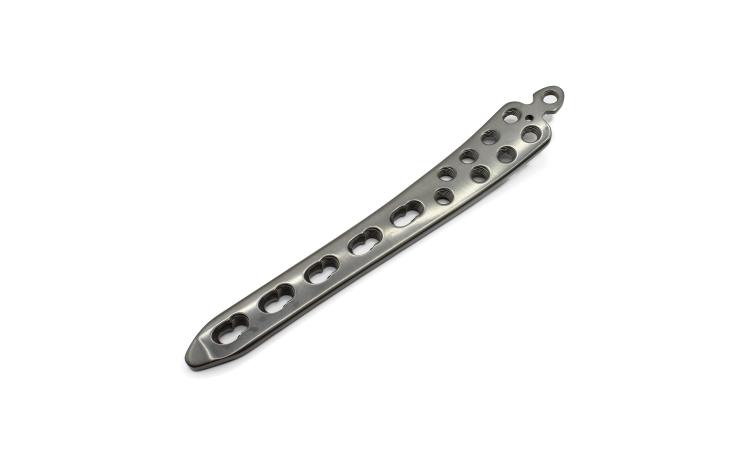
Wet blasting cosmetic finishing is commonly used for:
- Aluminium housings, casings, covers, brackets and machined components (uniform satin finish)
- Stainless steel components that need a consistent matte aesthetic and cleanability
- Automotive and motorcycle parts (restoration and OEM-style cosmetic finishing)
- Precision-engineered components where tolerances and edges matter
Engineering the exact ‘look’ you want
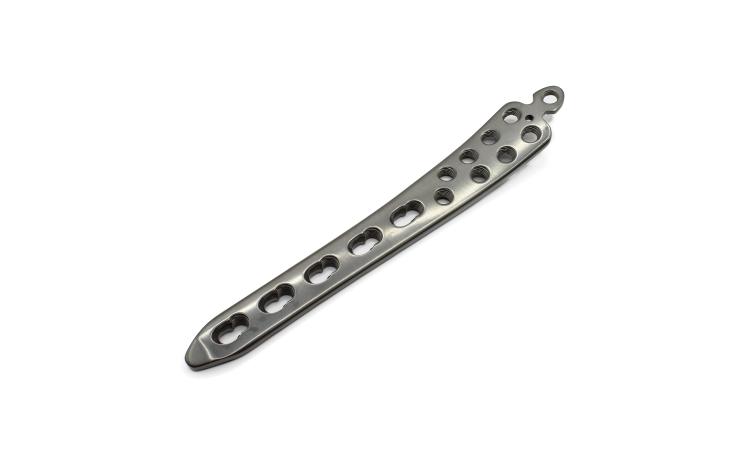
Cosmetic finishing isn’t one finish — it’s a controlled outcome. Vapormatt engineers dial in the result by selecting and controlling:
Media choice (the biggest lever on appearance)
- Glass bead: consistent, smooth, uniform cosmetic finish — commonly used for polishing/satin finishing and delicate cleaning without dimension change
- More angular media (e.g., aluminium oxide / silicon carbide): higher cutting action for heavier defect removal and a more matte, non-reflective look (application-dependent)
Process parameters (how you make it repeatable)
Competitor process guides consistently point to controllable variables such as air pressure, media concentration, nozzle angle/diameter, standoff distance, and speed of processing — because these determine both texture and uniformity.
Rinse and dry integration (to ship parts ‘ready’)
Many production wet blast systems combine blast + rinse + blow-off to reduce handling and deliver parts that are ready for the next step (pack, coat, anodise, assemble).
Performance comparison (5 = excellent, 1 = poor)
Indicative ratings for cosmetic finishing outcomes; exact performance depends on material, geometry, and specification.
| Process | Cosmetic uniformity | Control on delicate features | Risk of embedded media | Dust/cleanliness | Repeatability at scale | Prep for coatings/anodising |
|---|---|---|---|---|---|---|
| Wet blasting (vapour blasting) | 5 | 5 | 5 | 5 | 5 | 5 |
| Dry bead / grit blasting | 3 | 3 | 2 | 1 | 4 | 4 |
| Vibratory finishing (tumble) | 3 | 2 | 5 | 4 | 4 | 3 |
| Hand polishing / linishing | 4 | 3 | 5 | 3 | 2 | 3 |
| Chemical etch / bright dip (material dependent) | 4 | 4 | 5 | 4 | 4 | 4 |
| Shot peening | 2 | 4 | 5 | 2 | 5 | 3 |
Why wet blasting scores highly for cosmetic work:
- Water-cushioned slurry produces fine, uniform finishes and a smooth matte cosmetic effect
- Wet blasting is widely positioned as a dust-free / dust-suppressed alternative to dry blasting with a softer surface finish for cosmetic applications
- Multiple sources highlight reduced risk of media impingement/embedding compared with dry blasting
Final takeaway
Wet blasting delivers a uniform, premium cosmetic finish while preserving edges and fine detail thanks to the water-cushioned slurry. Vapormatt helps you lock in the exact look, part after part, by optimising media choice and process control.
FAQs
What cosmetic finish does wet blasting create
Wet blasting produces a smooth, uniform satin-to-matte cosmetic finish. The water-cushioned slurry refines the surface while cleaning it, so parts look consistent across flats, curves and recesses.
Is vapour blasting the same as wet blasting
Yes. ‘Wet blasting’, ‘vapour blasting’ and ‘vapor blasting’ are commonly used to describe the same slurry-based blasting process, and customers often use them interchangeably.
Can wet blasting remove machining marks and handling marks for a better appearance
It will remove oxidation, surface contamination and many light handling marks. Deeper tooling lines may still show, but wet blasting can blend and soften their appearance as part of a cosmetic finishing route.
How consistent is the cosmetic finish across batches
Wet blasting is highly controllable because you can set media type, pressure, slurry concentration, nozzle setup and cycle time. With a defined process window, you get a repeatable cosmetic finish that’s easier to standardise across operators and shifts.
What blast media gives the best cosmetic finish
For cosmetic finishing, glass bead is often used to produce a smooth, even satin finish. More angular media can increase cutting action and produce a more matte texture, so media choice should match your target appearance and substrate.
Will wet blasting damage edges or fine details
Wet blasting is often chosen for cosmetic work because the water helps cushion the abrasive impact. That typically helps preserve edge definition and fine features compared with more aggressive dry processes, when specified correctly.
Does wet blasting change dimensions or affect tolerances
Cosmetic wet blasting is usually specified to minimise material removal, but any blasting process can affect surfaces if over-processed. If tolerances are critical, define the no-blast areas, masking requirements and acceptance criteria up front, then validate on sample parts.
Is wet blasting a good cosmetic prep for anodising or coating
Yes, wet blasting is commonly used to create a consistent, clean surface finish before anodising, painting or powder coating. The key is to control the finish (texture and cleanliness) to match your coating supplier’s specification.
Can you match an existing cosmetic standard or reference part
In most cases, yes. Share a reference part or finish specification (visual standard, gloss target, Ra requirement, or ‘must match’ sample) and the process can be tuned through media and parameters to get the closest match.
What surface roughness (Ra) can wet blasting achieve for cosmetic parts
Ra depends on the substrate, starting condition, media and settings, so there isn’t one universal value. If Ra is critical, define a target range and validate with test coupons or a sample batch before production.
How do you prevent water spots or staining after wet blasting
Staining is usually managed through rinse quality, water condition, and a controlled dry step. If appearance is critical, build rinse and dry into the process so parts leave the cabinet clean and consistent.
What should I provide to get the right cosmetic finish first time
Send the base material (for example aluminium or stainless steel), starting condition, cosmetic requirement (satin, matte, gloss level, visual standard), and any areas that must be protected. If you can share a reference part, it speeds up process selection and sign-off.